
Ridgewood Plumbing Experts
Oil-to-Gas Heating Conversion Ridgewood
An oil-to-gas heating conversion changes the fuel supply and may require new heating equipment, venting, and oil tank work. In Ridgewood, NJ, the first decision is whether natural gas service is available and the full installed project makes sense for the existing system.
Services
Other plumbing services
Explore related main plumbing services in Ridgewood.
Commercial Plumbing
Commercial plumbing in Ridgewood, NJ has to protect daily operations as well as the pipes.
Explore service →
Drain and Sewer Cleaning
A slow sink, standing shower water, or a drain that keeps backing up needs the right diagnosis before cleaning.
Explore service →
Emergency Plumbing
When a pipe is spraying water or sewage is rising through a basement drain, act on the immediate risk first. We handle emergency plumbing inquiries in Ridgewood, NJ, and the surrounding Bergen County area.
Explore service →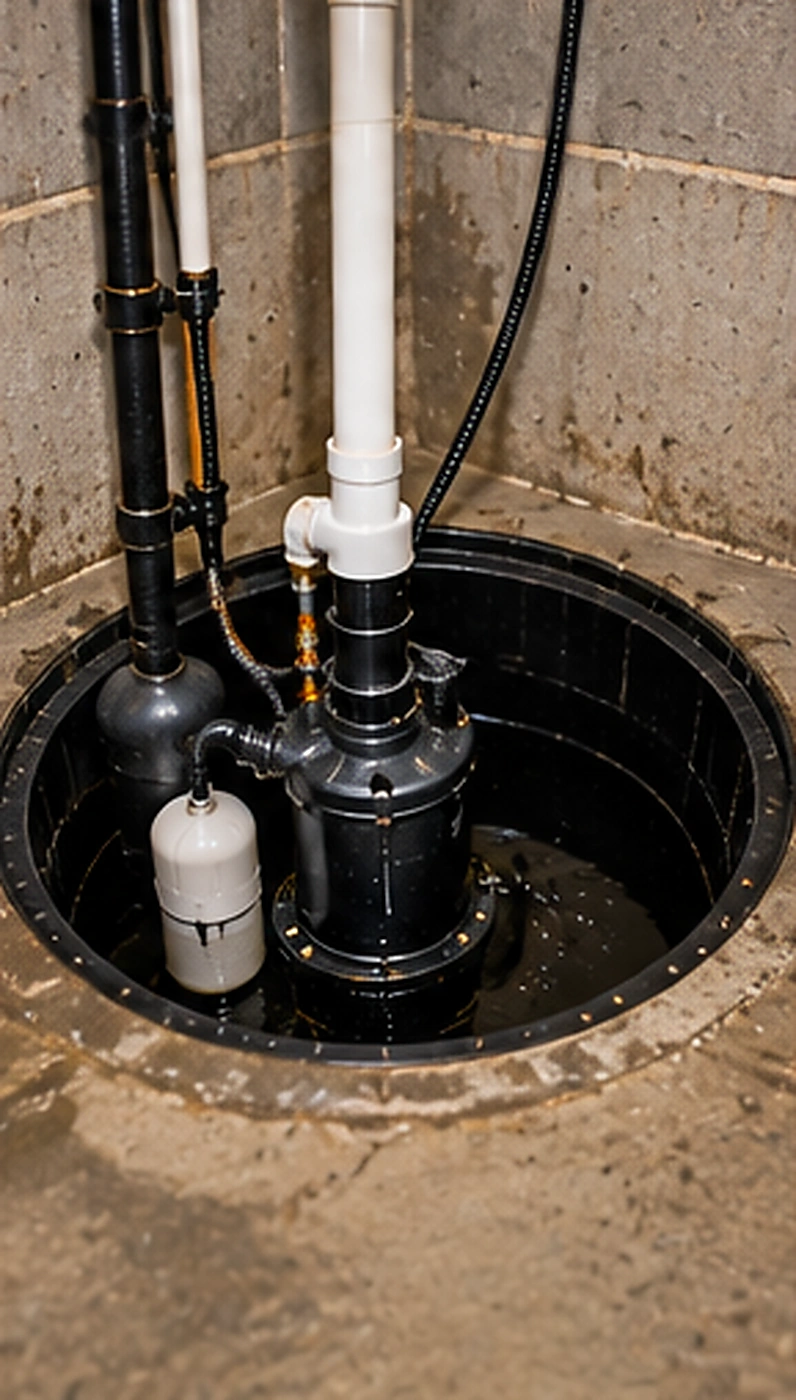
Fixture & Appliance Plumbing
A leaking faucet, running toilet, or faulty garbage disposal can waste water and interrupt the day.
Explore service →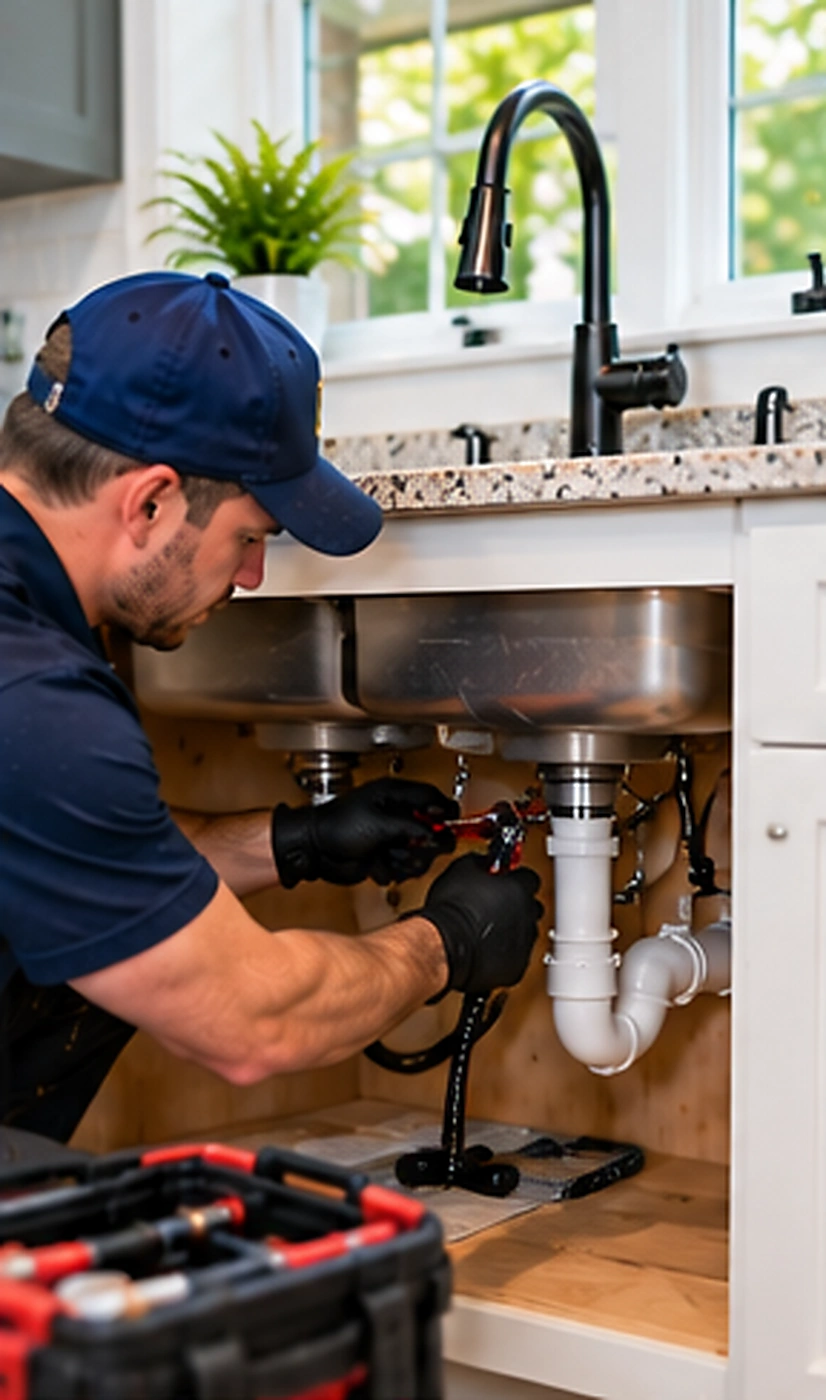
Gas Line Services
Gas piping work in Ridgewood, NJ begins with safety, a clear scope, and proper testing. Whether a line needs repair or a new appliance needs a connection, the pipe must be sized and installed for the equipment and verified before use.
Explore service →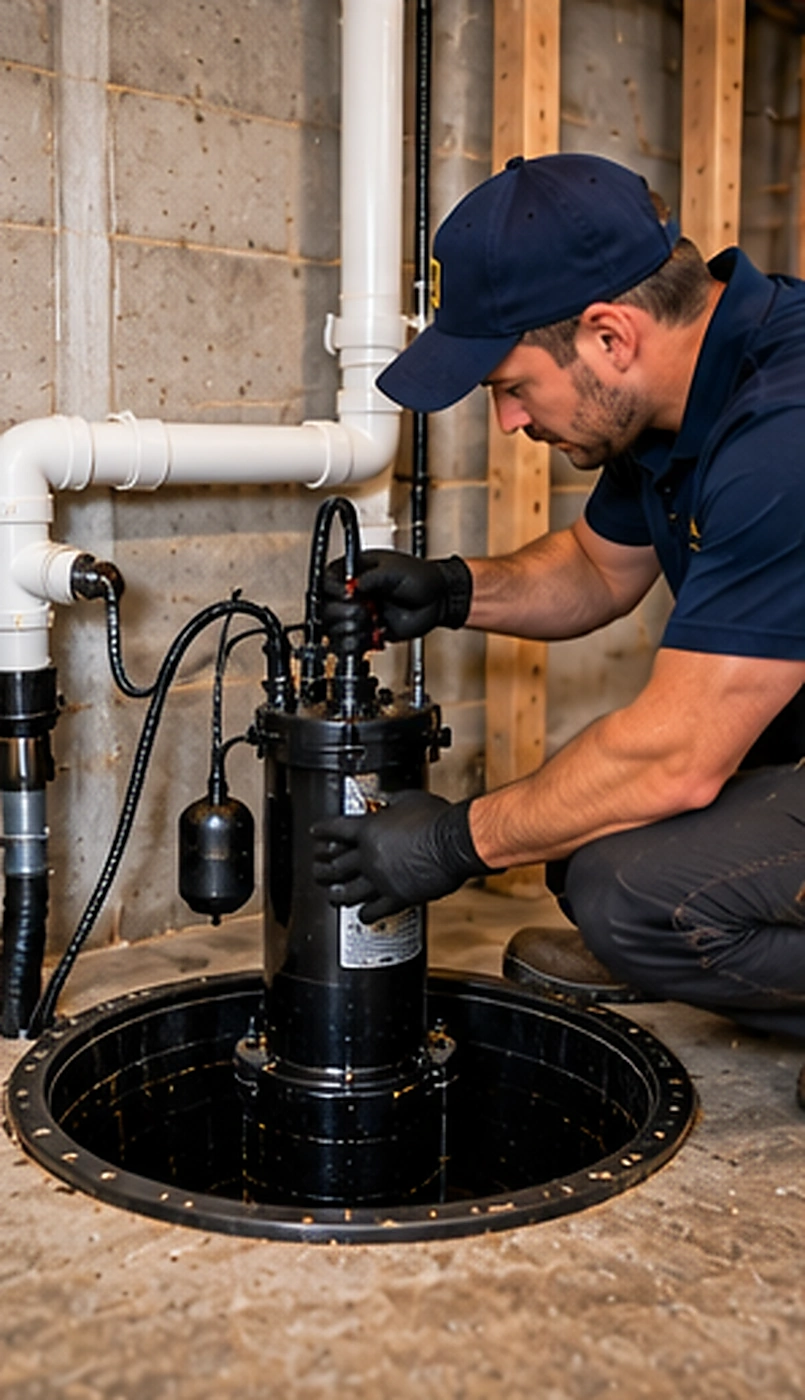
Pipe Repair, Leak Detection & Repiping
Leaks, declining water pressure, and aging supply lines call for a clear diagnosis.
Explore service →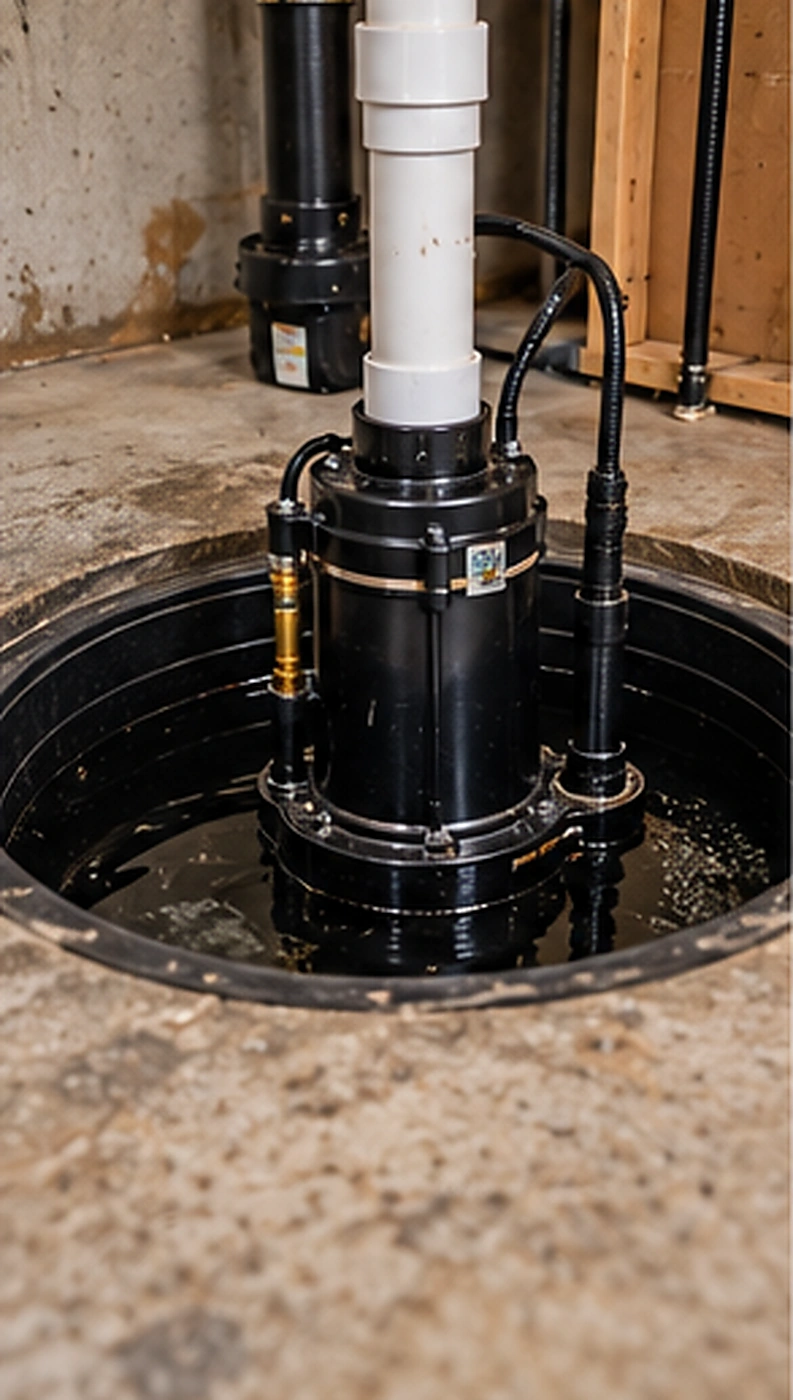
Sewer Line Services
Recurring drain backups, a sewer smell outdoors, or wastewater rising through a basement floor drain can point to a problem in the sewer line.
Explore service →
Sump Pump and Flood Prevention
A sump pump moves collected groundwater away from a basement. In Ridgewood, NJ, the right flood prevention plan starts with finding where water enters, checking the existing pump and drainage, and choosing equipment that fits the property.
Explore service →
Water Heater Services
No hot water, a leaking tank, or a heater that cannot keep up with daily use needs a clear diagnosis.
Explore service →Oil to Gas Heating Conversion Ridgewood NJ
When is conversion worth exploring?
Conversion is often considered when a boiler or furnace is nearing replacement, an oil tank needs attention, or an owner wants to compare fuel delivery and maintenance with utility gas. It is not an automatic savings guarantee. A sound, efficient oil system may continue to serve a home well, while an aging system can make the timing of an equipment change more favorable.
Reasons to ask for an assessment include:
The oil boiler or furnace is due for a major repair or replacement.
The above-ground or underground oil tank is aging or needs a separate evaluation.
The household wants to compare current oil delivery costs with future gas use.
A renovation changes the heating load or mechanical room layout.
A home near Ridgewood’s Village center may use an older steam distribution system, but the building style alone cannot establish its fuel equipment or piping. Another home may already have natural gas for cooking while heating with oil. Existing gas service does not necessarily have enough capacity for a new boiler. The utility and heating contractor must assess the actual property.
What must be checked before the work begins?
Confirm gas service availability at the address and ask the serving utility what connection or meter work is needed. PSE&G’s conversion process starts with a licensed contractor’s assessment and utility review of the specific service. If a main or service extension is required, its cost and schedule can change the decision.
The heating assessment should identify the current boiler or furnace, its condition, distribution system, venting, controls, and the home’s heat demand. Some oil-fired equipment may support a manufacturer-approved burner conversion; other systems are better replaced. The choice requires a qualified evaluation, not a blanket promise that a burner swap will work in every older Ridgewood home.
The oil tank is its own workstream. Its location, construction, records, and condition affect the method for decommissioning or removal. An underground tank can involve excavation, permits, and investigation if contamination is found. Get a separate scope for tank work and clarify which contractor is responsible. Do not assume a conversion quote includes environmental remediation.
How does an oil-to-gas conversion proceed?
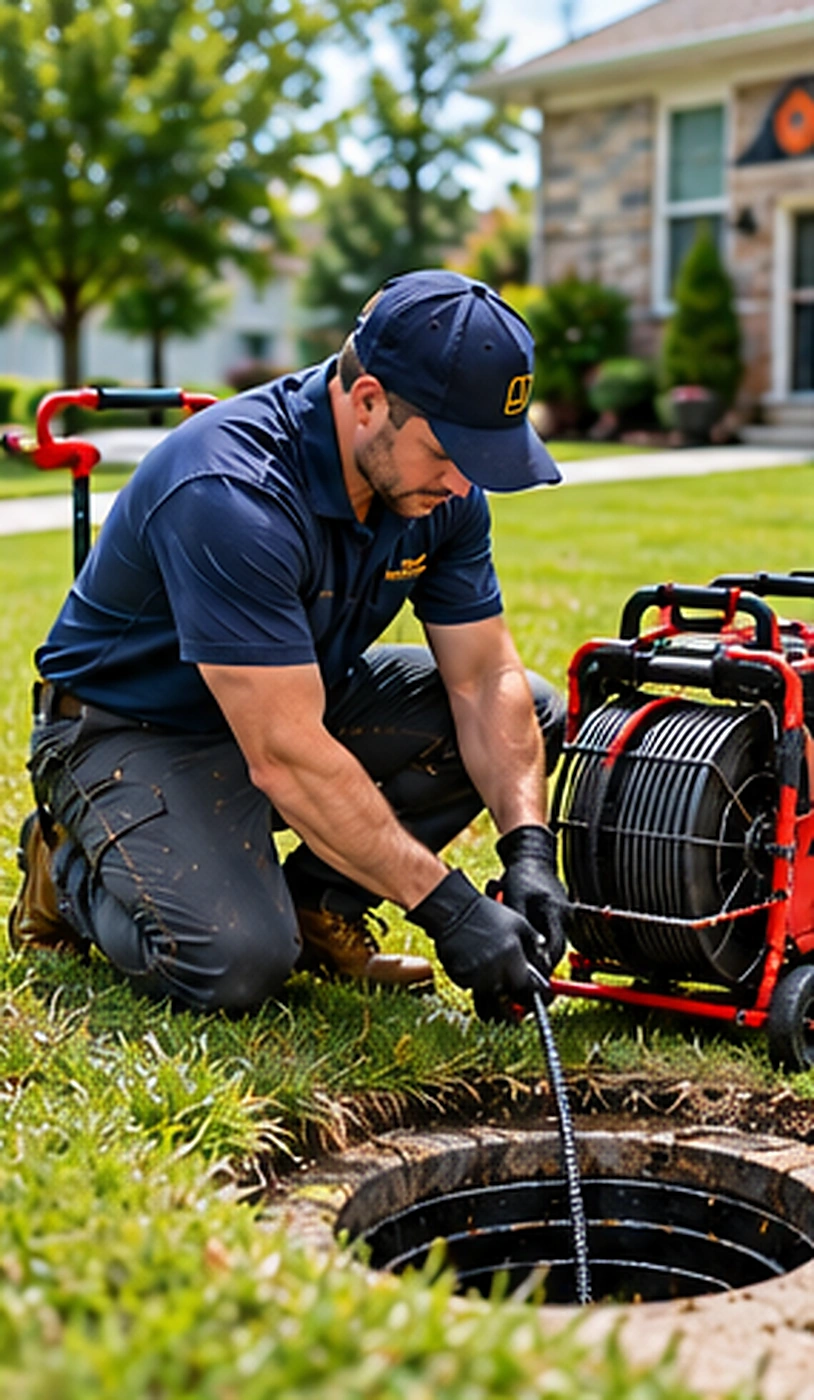
A coordinated project usually begins with the utility’s service determination and a written equipment proposal. The gas piping is sized for the heating unit and other connected appliances. The heating contractor plans the new equipment or approved conversion, venting, controls, and commissioning. Permits and inspections are scheduled with the Village of Ridgewood and any relevant utility process.
The work plan should show the sequence:
Confirm utility service availability, capacity, cost, and timing.
Assess the existing heating system and compare conversion with replacement.
Plan gas piping, heating equipment, venting, and electrical work.
Arrange oil tank decommissioning or removal through the appropriate scope.
Install and test the system, complete inspections, and document the final setup.
Keep the old heating system available until the new supply and equipment schedule is clear. A conversion may involve several trades and inspections, so a single-day promise is usually unrealistic without the full scope. Ask how heat will be maintained during the changeover and who will coordinate the final startup.
How much does oil-to-gas conversion cost?
For planning, national conversion projects are commonly estimated around $3,800 to $13,000, with more complex service, equipment, venting, or tank work outside that range. This is not a Ridgewood quote. An underground tank with contamination can add a separate and potentially substantial cost. The gas utility’s service requirements also vary by address.
Request an itemized comparison showing utility work, gas piping, boiler or furnace, venting, electrical changes, tank work, permits, and restoration. Compare projected operating cost using your own oil bills, estimated gas use, equipment efficiency, and current tariffs. Fuel prices change, so a fixed payback promise is not reliable. Maintenance and the age of the current system also matter.
Questions before we arrive
Frequently asked questions
Is oil-to-gas conversion worth it for an older Ridgewood home?
Many homeowners find it worthwhile given natural gas pricing relative to oil delivery, plus eliminating the risk and maintenance of an aging oil tank; we can walk through the specifics for your home.
What happens to my old oil tank after conversion?
We coordinate decommissioning or removal of the oil tank as part of the conversion, following applicable environmental guidelines.
Do I need a new boiler or furnace, or can my existing one be converted?
This depends on your specific equipment; some systems can be converted with a burner swap, while others are more cost-effective to replace outright with new gas-fired equipment, we'll assess this during the estimate.
Discuss heating conversion in Ridgewood
Share the existing equipment and tank details, recent oil use, and any gas appliances already in the home. A coordinated assessment can establish utility availability and compare a burner conversion with equipment replacement. See Gas Line Services Ridgewood or the Ridgewood plumber homepage. Request a complete written scope by calling (201) 277-0778.
Locations
Service areas near Ridgewood
Browse locations served in and around Ridgewood.
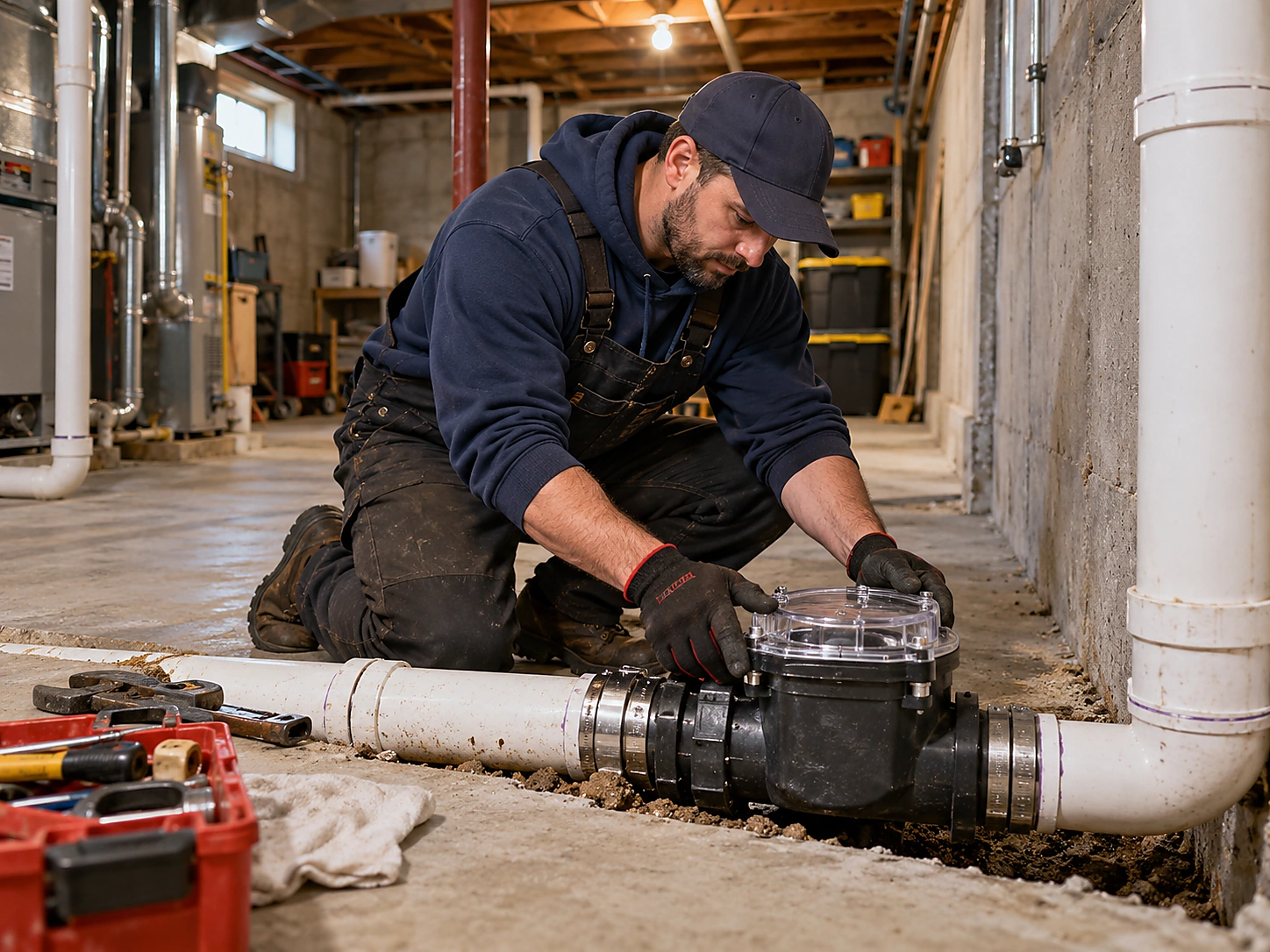
Plumber in Downtown / Village Center, Ridgewood, NJ
Need a plumber in Downtown Ridgewood, NJ? Plumbing problems in the Village Center can affect a storefront, an upstairs apartment, or several occupants at once.
Explore location →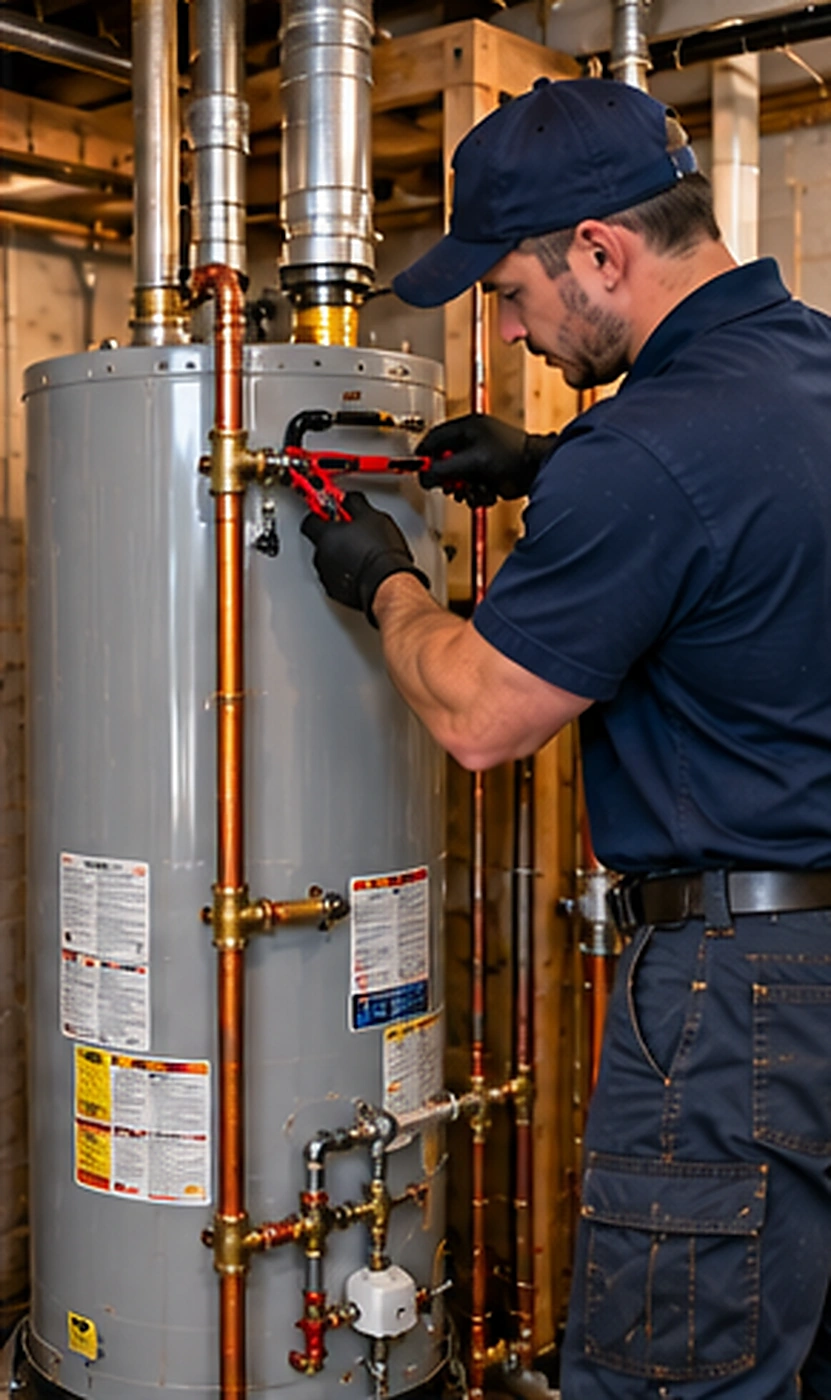
Plumber in Fair Lawn, NJ
Need a plumber in Fair Lawn, NJ? The right repair depends on the fixture, pipe material, and how many parts of the home are affected. We diagnose the problem first, then explain the work and price before proceeding.
Explore location →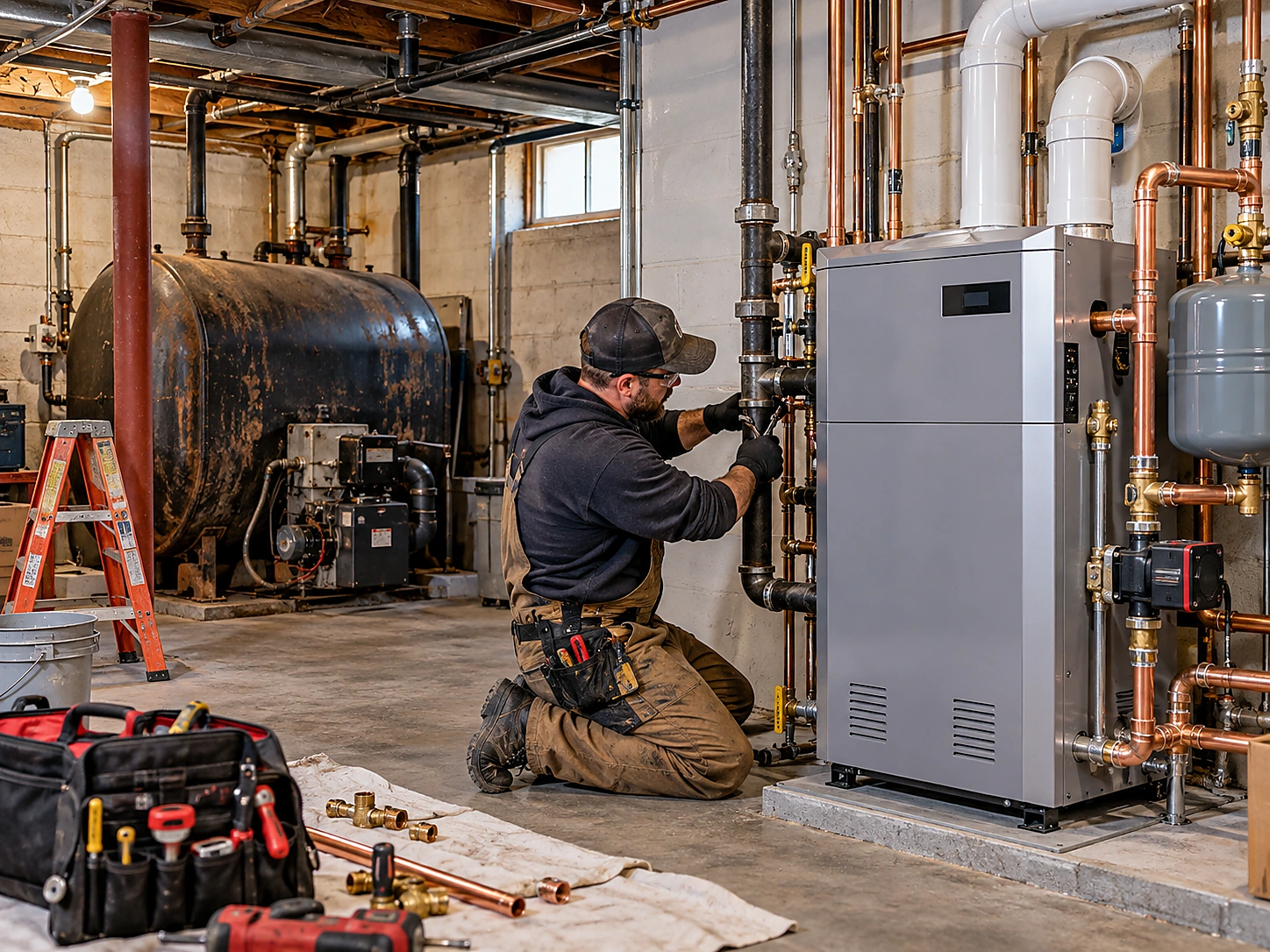
Plumber in Floral Park, Ridgewood, NJ
Need a plumber in Floral Park, Ridgewood, NJ? Recurring drain trouble deserves more than another quick clearing. We locate the problem, explain the condition of the line, and outline a repair that fits the property and its landscaping.
Explore location →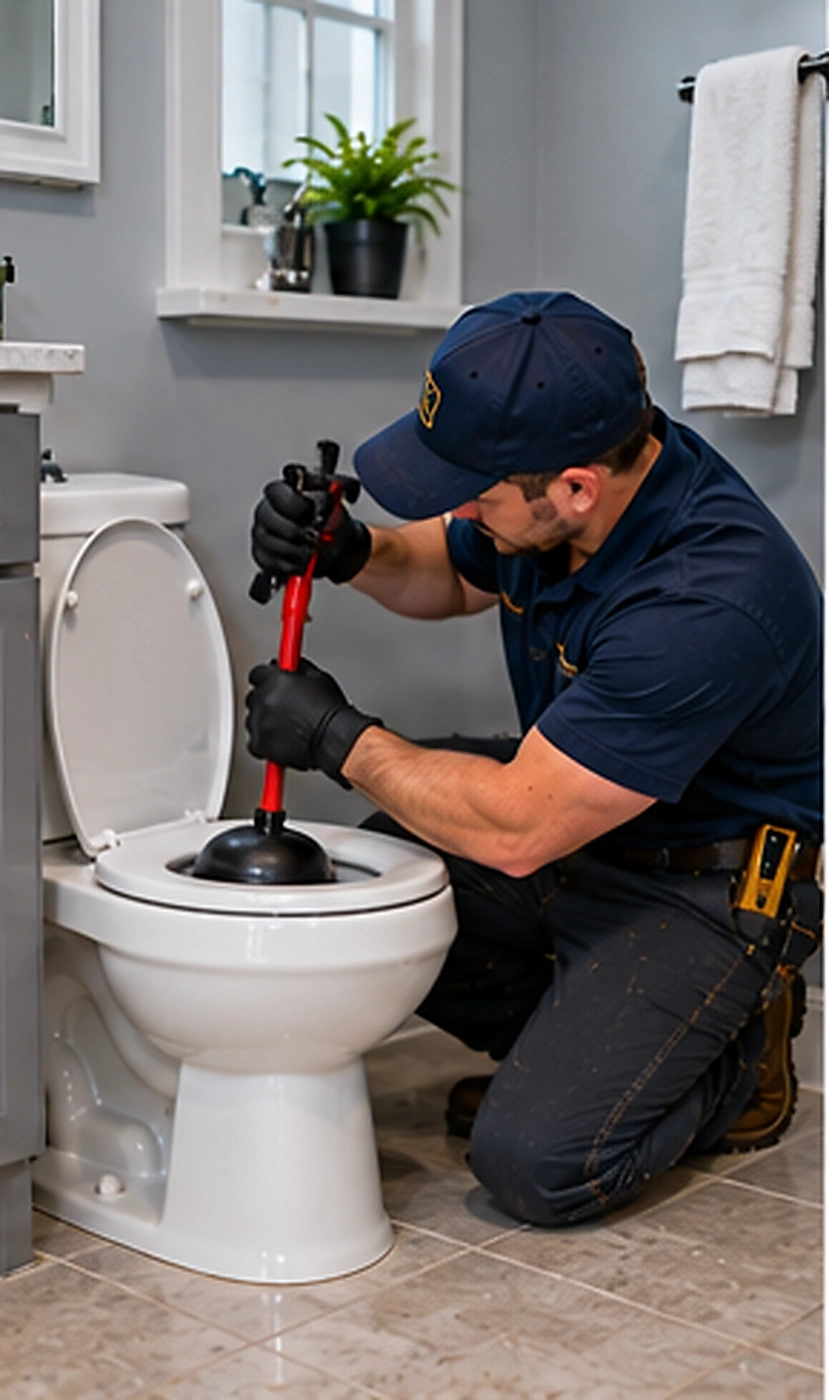
Plumber in Glen Rock, NJ
Need a plumber in Glen Rock, NJ? Older supply lines, repeat sewer clogs, and everyday fixture failures need different repairs. We diagnose the affected system, explain the options, and give a clear scope before work begins.
Explore location →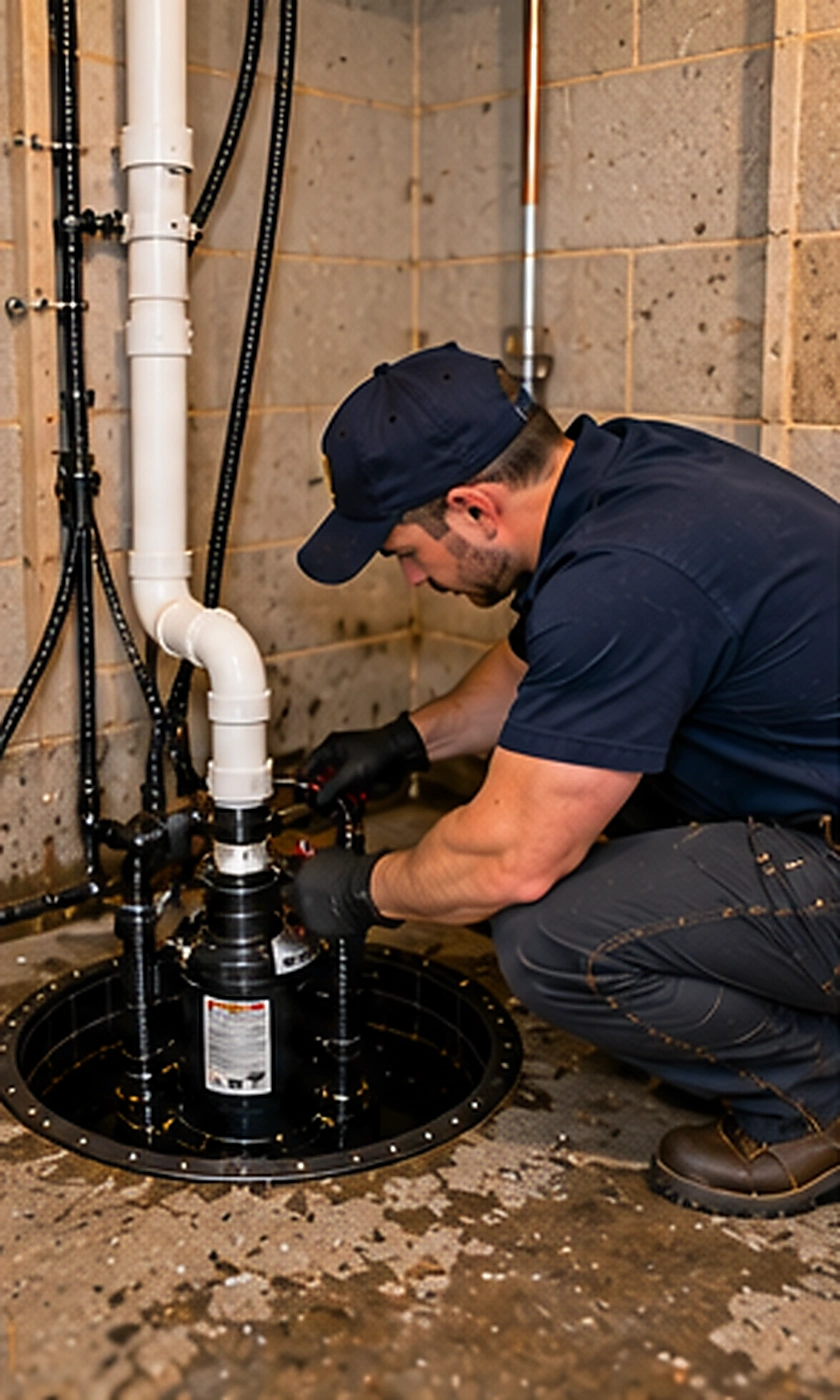
Plumber in Ho-Ho-Kus, NJ
Need a plumber in Ho-Ho-Kus, NJ? A wet basement, aging pipe, and failing sump pump each call for a different diagnosis. We identify the source, explain the practical repair options, and scope the work for the home.
Explore location →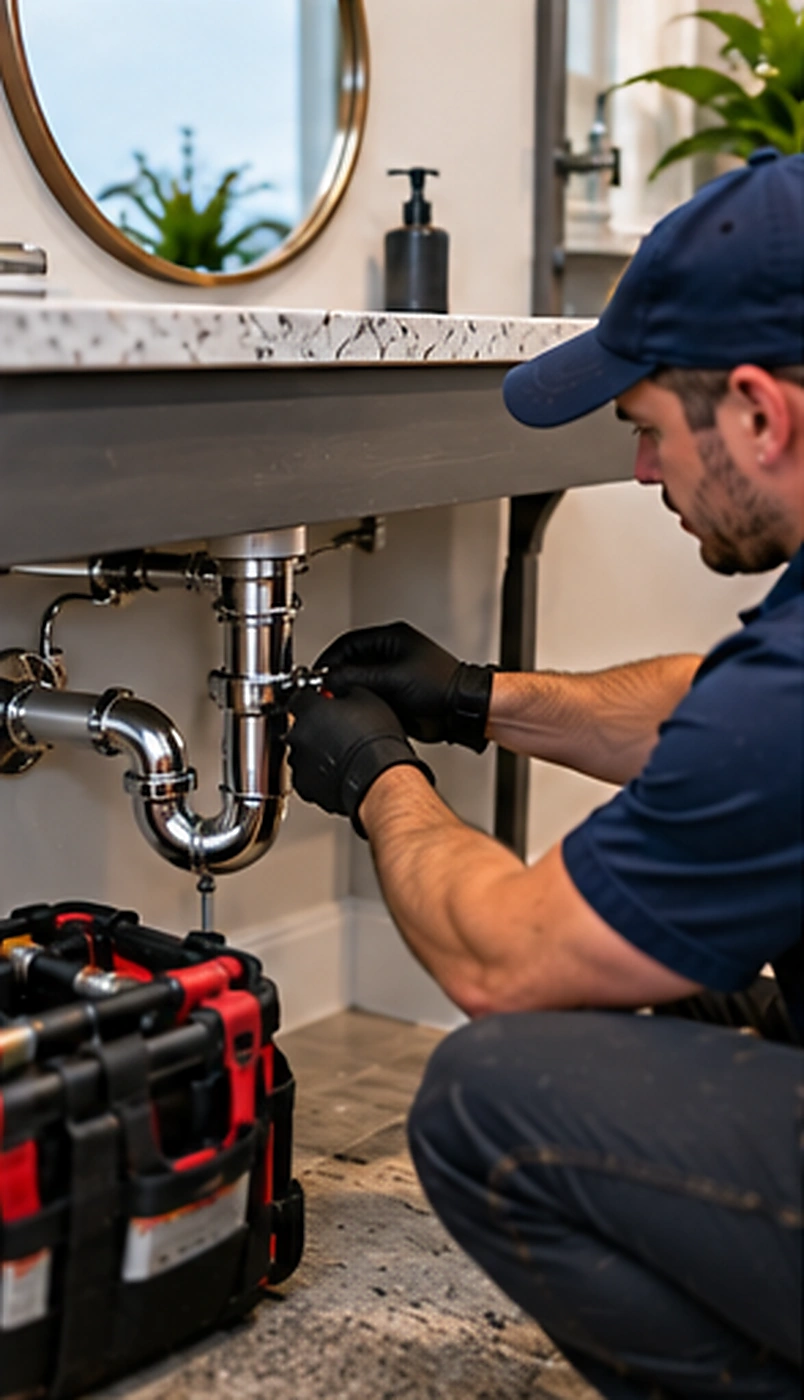
Plumber in Midland Park, NJ
Need a plumber in Midland Park, NJ? A recurring sewer backup and an aging supply line should be investigated separately. We locate the cause, explain what can be repaired, and give a clear scope for the work.
Explore location →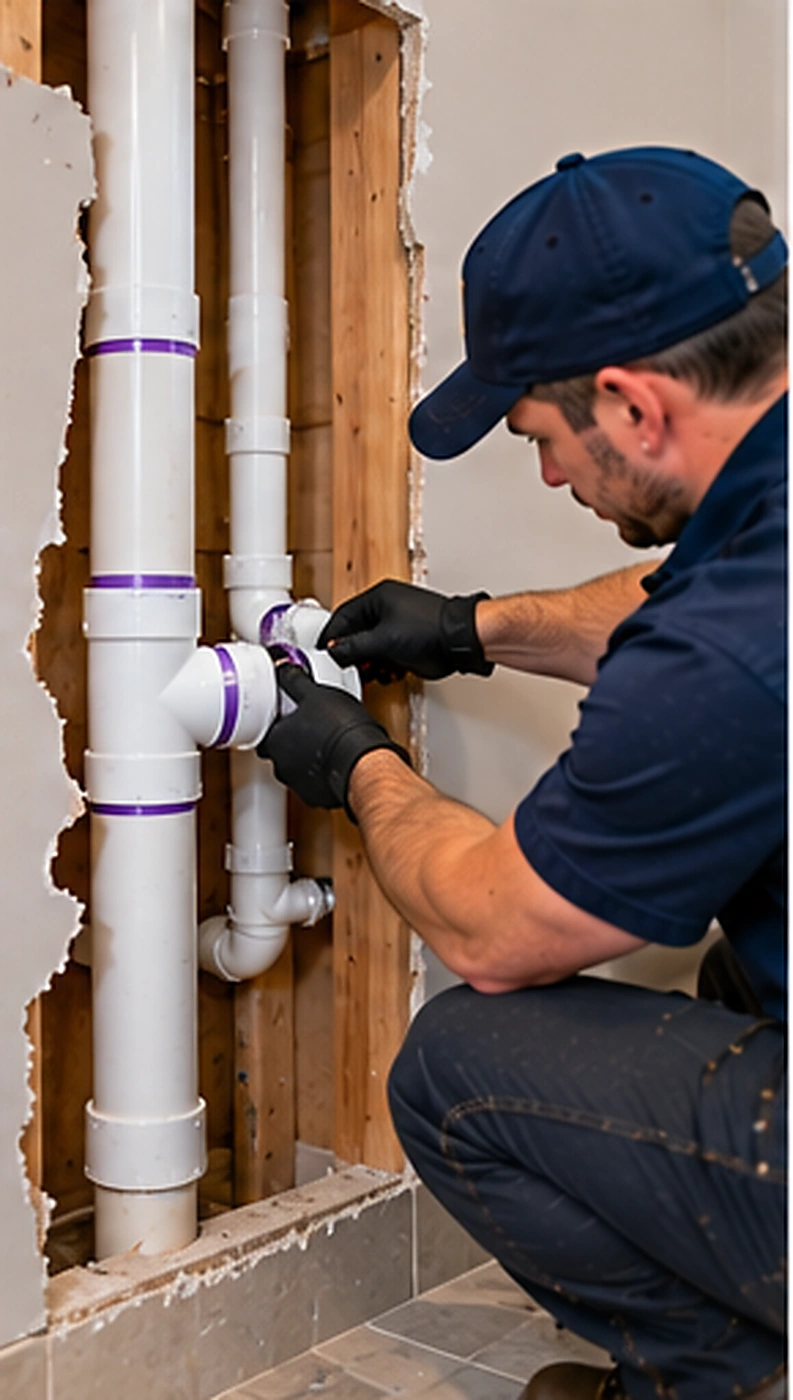
Plumber in Paramus, NJ
Need a plumber in Paramus, NJ? A leaking home fixture and a blocked retail restroom have different access and scheduling needs. We diagnose the affected system, explain the repair, and coordinate the work around the property.
Explore location →
Plumber in Salem Ridge, Ridgewood, NJ
Need a plumber in Salem Ridge, Ridgewood, NJ? Homes here can have different pipe materials and equipment even on the same block. We identify what is installed, diagnose the fault, and explain a repair suited to that home.
Explore location →
Plumber in Scrabbletown, Ridgewood, NJ
Need a plumber in Scrabbletown, Ridgewood, NJ? Basement water and sewer backups require different fixes. We identify the source, check the relevant pump or drain, and explain how to reduce the chance of another incident.
Explore location →Plan the next step
Need help with Oil-to-Gas Heating Conversion?
Call Ridgewood Plumbing Experts to discuss the issue, the property, and the next practical step.