
Ridgewood Plumbing Experts
Water Quality & Treatment Ridgewood
Water quality questions in Ridgewood, NJ deserve a measured answer. Testing can identify a specific concern at a tap, while water softeners and filters solve different problems. The right treatment begins with the water source, a current report, and results relevant to the home.
Services
Other plumbing services
Explore related main plumbing services in Ridgewood.
Commercial Plumbing
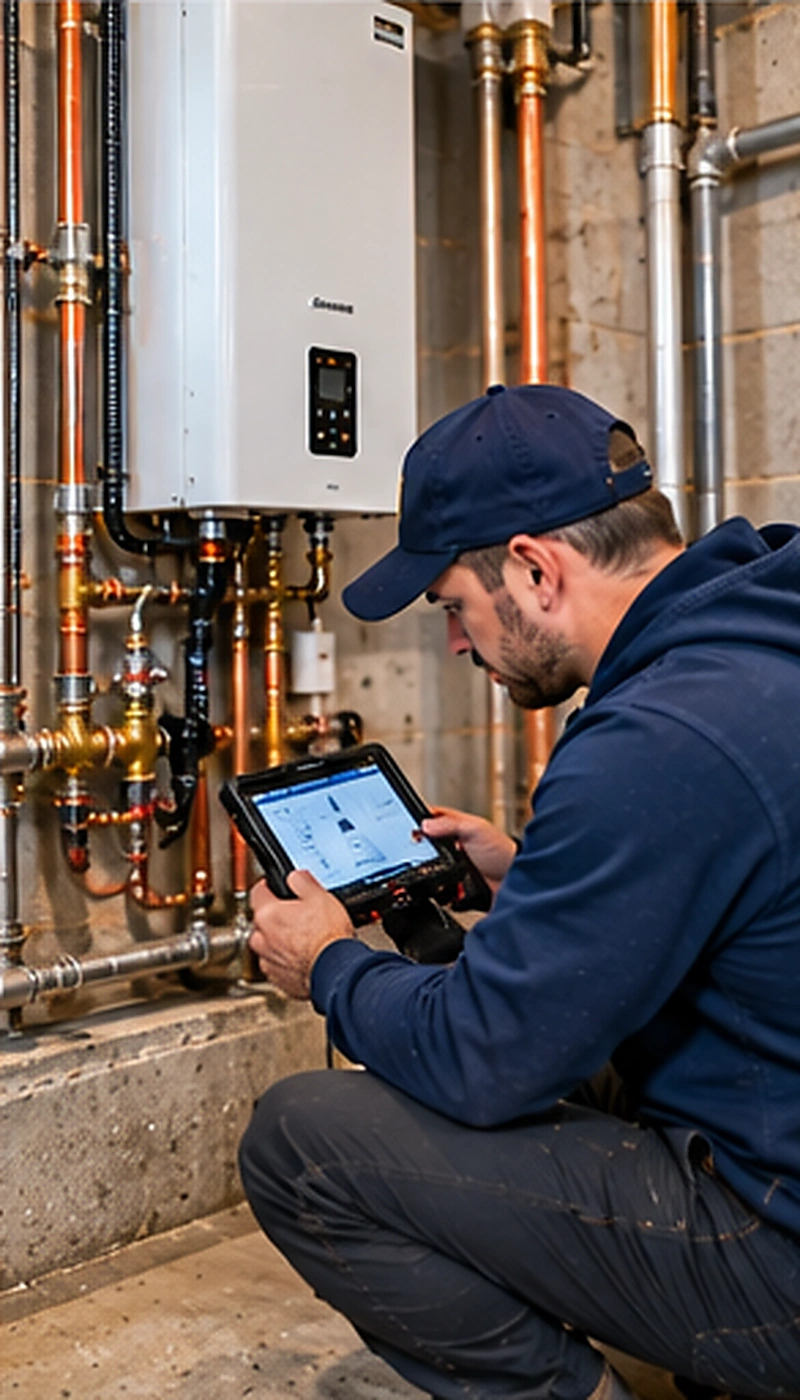
Commercial plumbing in Ridgewood, NJ has to protect daily operations as well as the pipes.
Explore service →
Drain and Sewer Cleaning
A slow sink, standing shower water, or a drain that keeps backing up needs the right diagnosis before cleaning.
Explore service →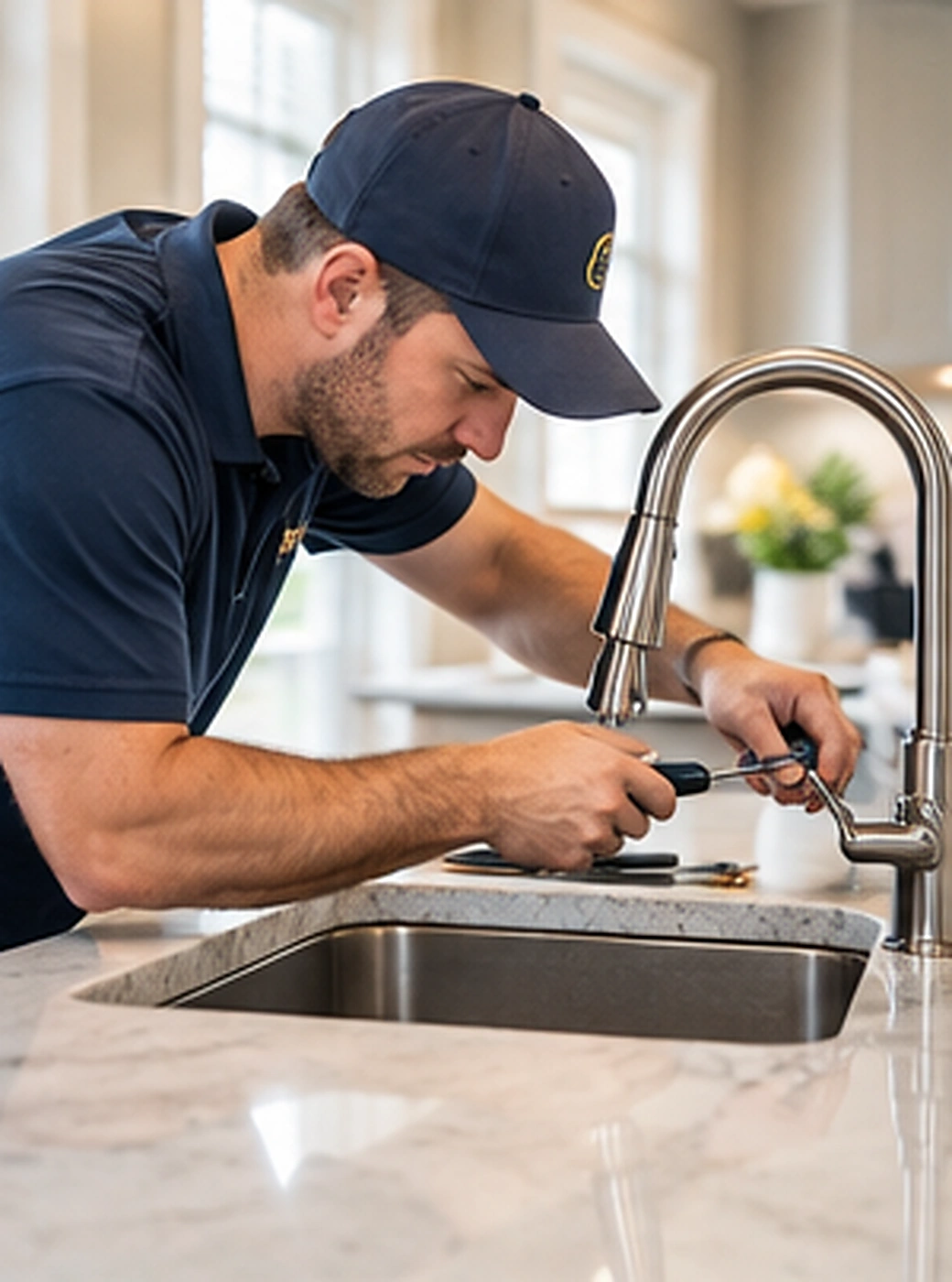
Emergency Plumbing
When a pipe is spraying water or sewage is rising through a basement drain, act on the immediate risk first. We handle emergency plumbing inquiries in Ridgewood, NJ, and the surrounding Bergen County area.
Explore service →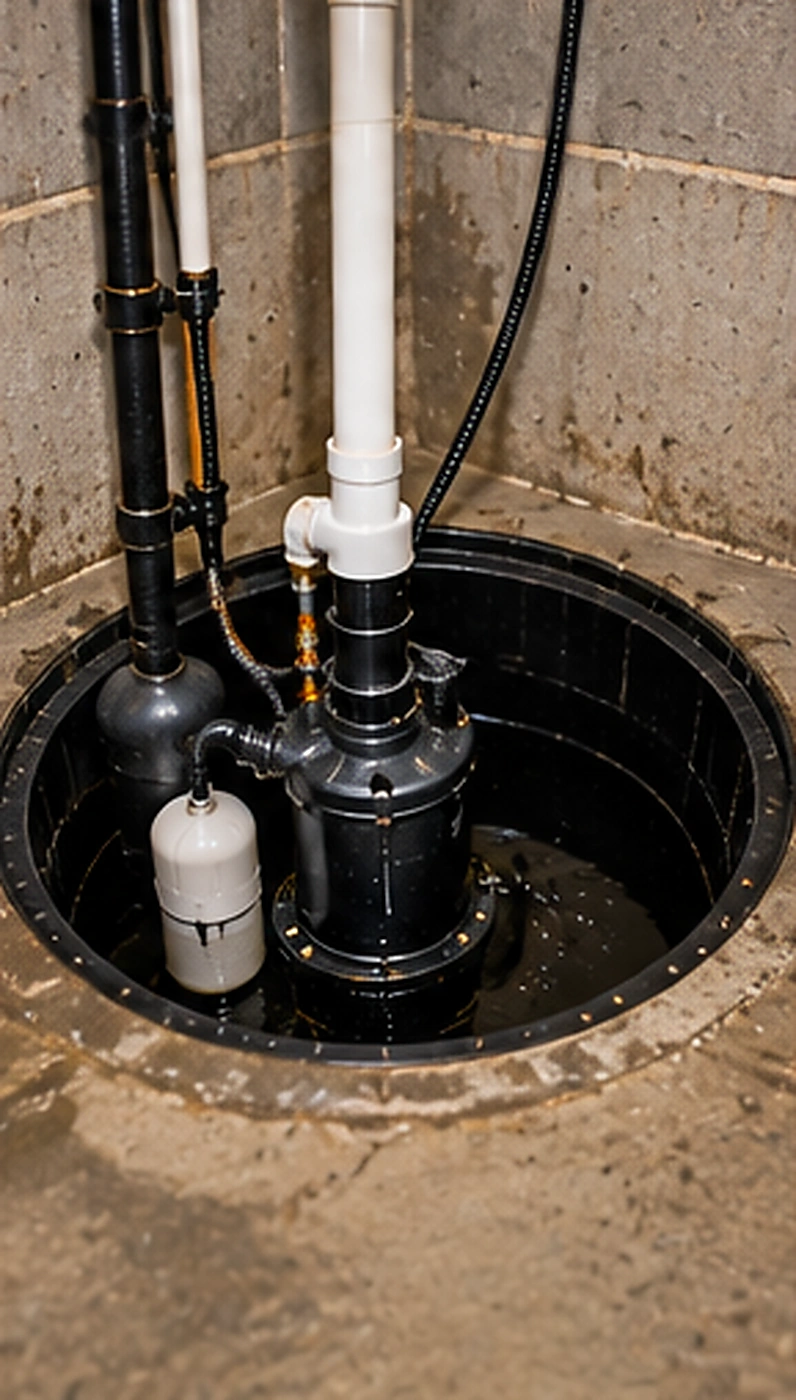
Fixture & Appliance Plumbing
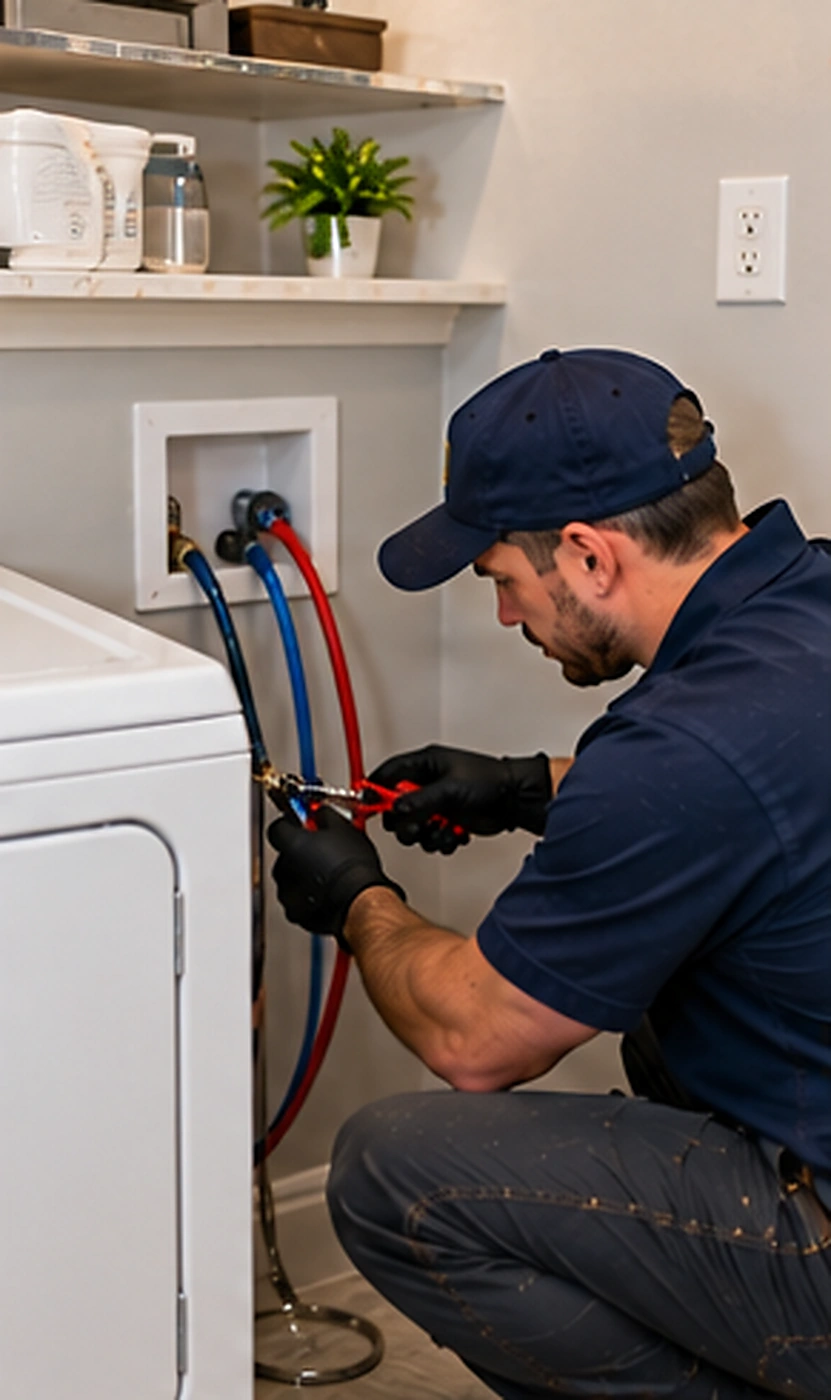
A leaking faucet, running toilet, or faulty garbage disposal can waste water and interrupt the day.
Explore service →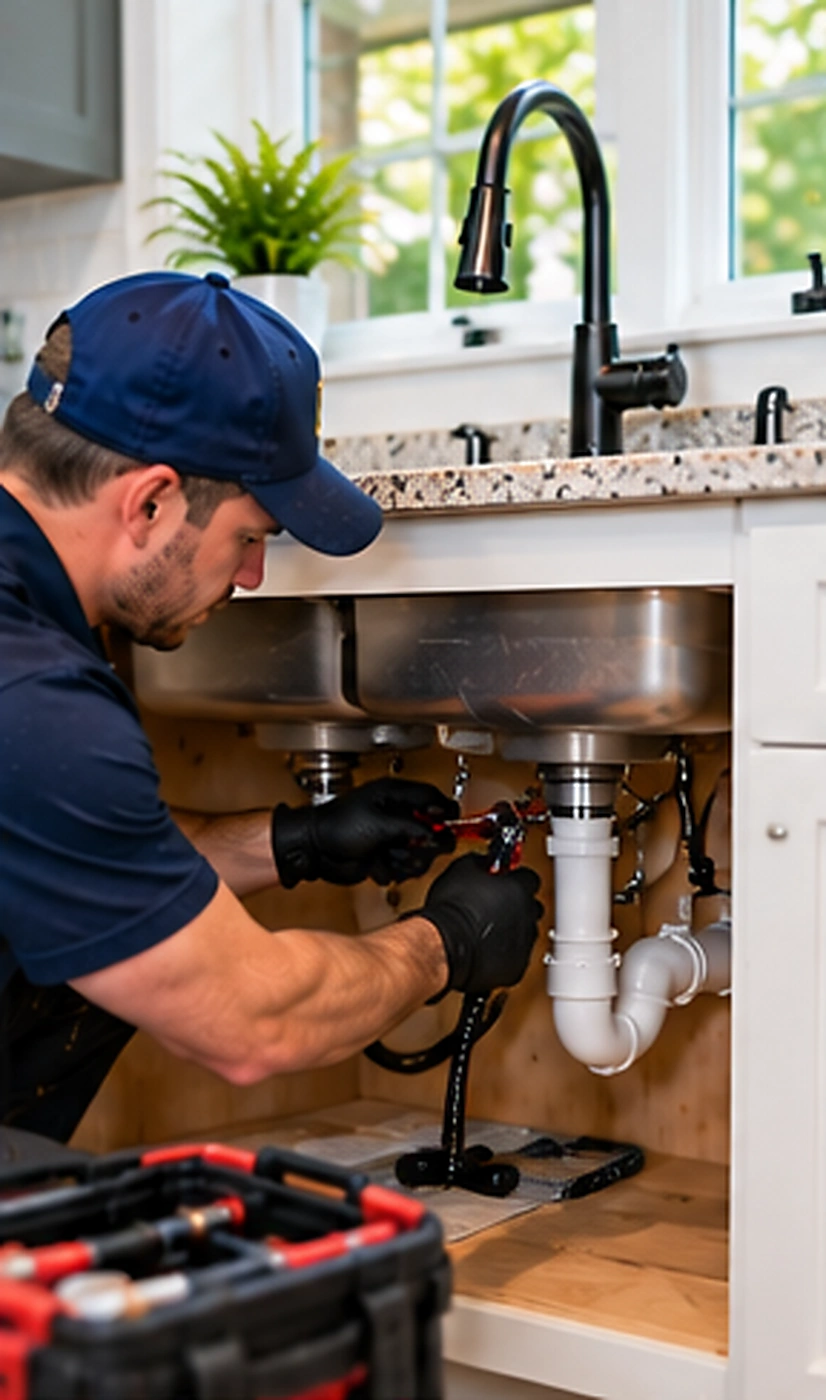
Gas Line Services
Gas piping work in Ridgewood, NJ begins with safety, a clear scope, and proper testing. Whether a line needs repair or a new appliance needs a connection, the pipe must be sized and installed for the equipment and verified before use.
Explore service →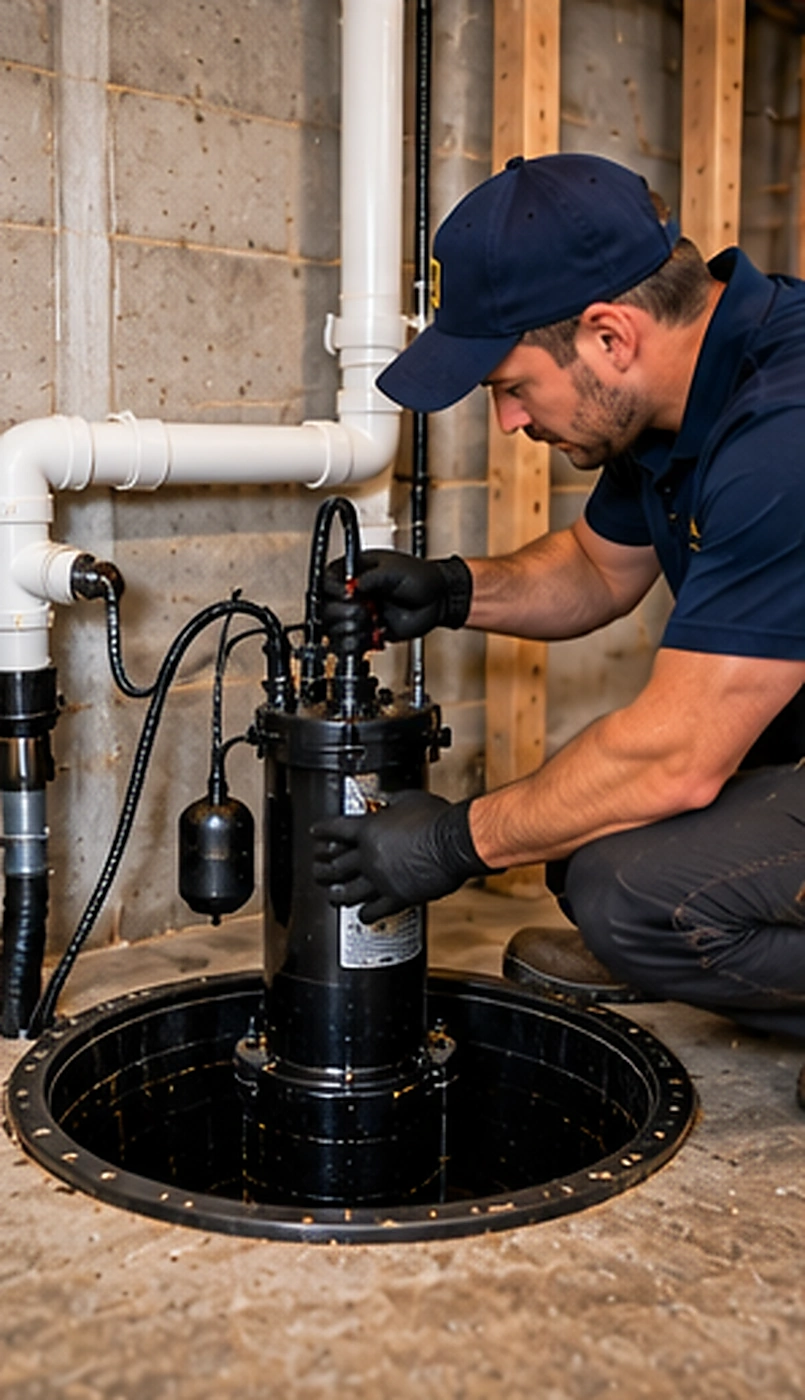
Pipe Repair, Leak Detection & Repiping
Leaks, declining water pressure, and aging supply lines call for a clear diagnosis.
Explore service →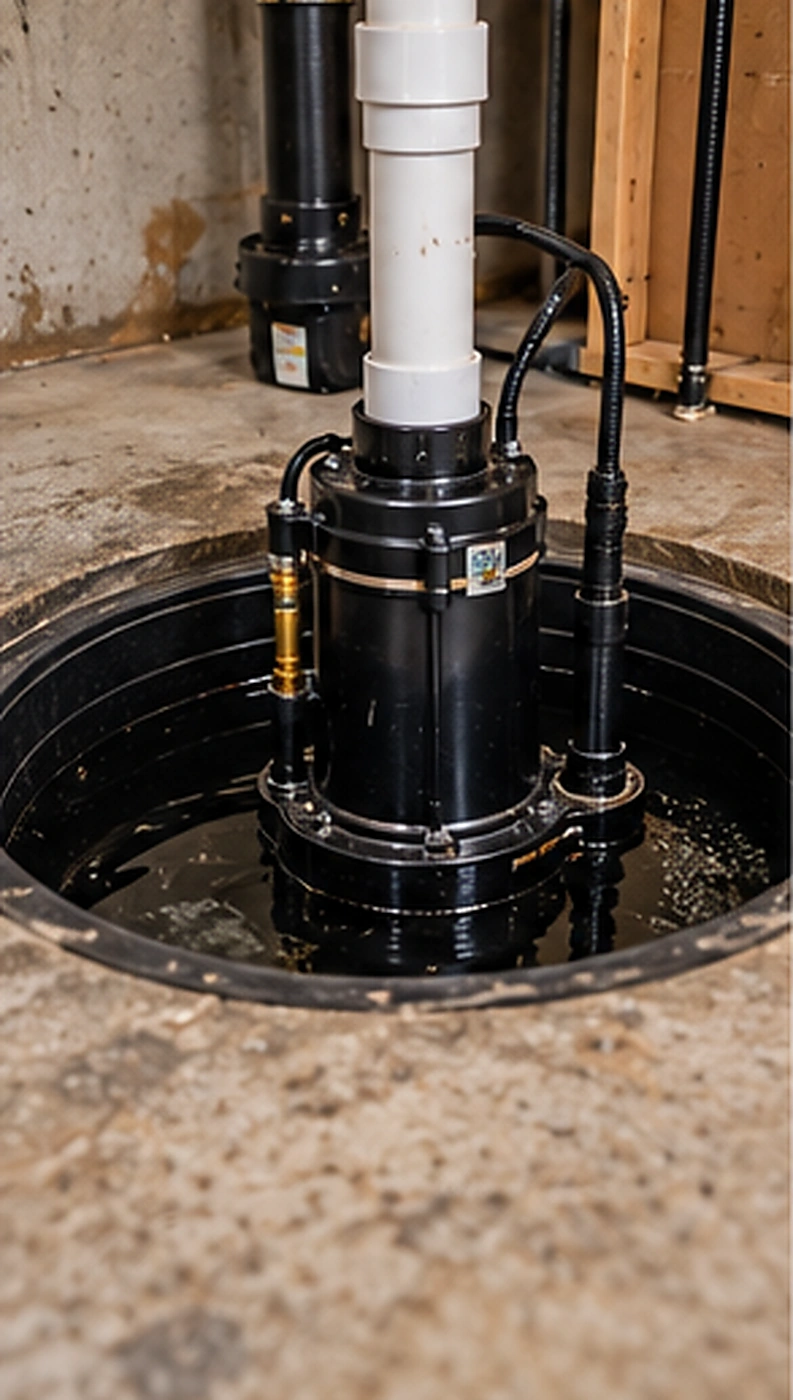
Sewer Line Services
Recurring drain backups, a sewer smell outdoors, or wastewater rising through a basement floor drain can point to a problem in the sewer line.
Explore service →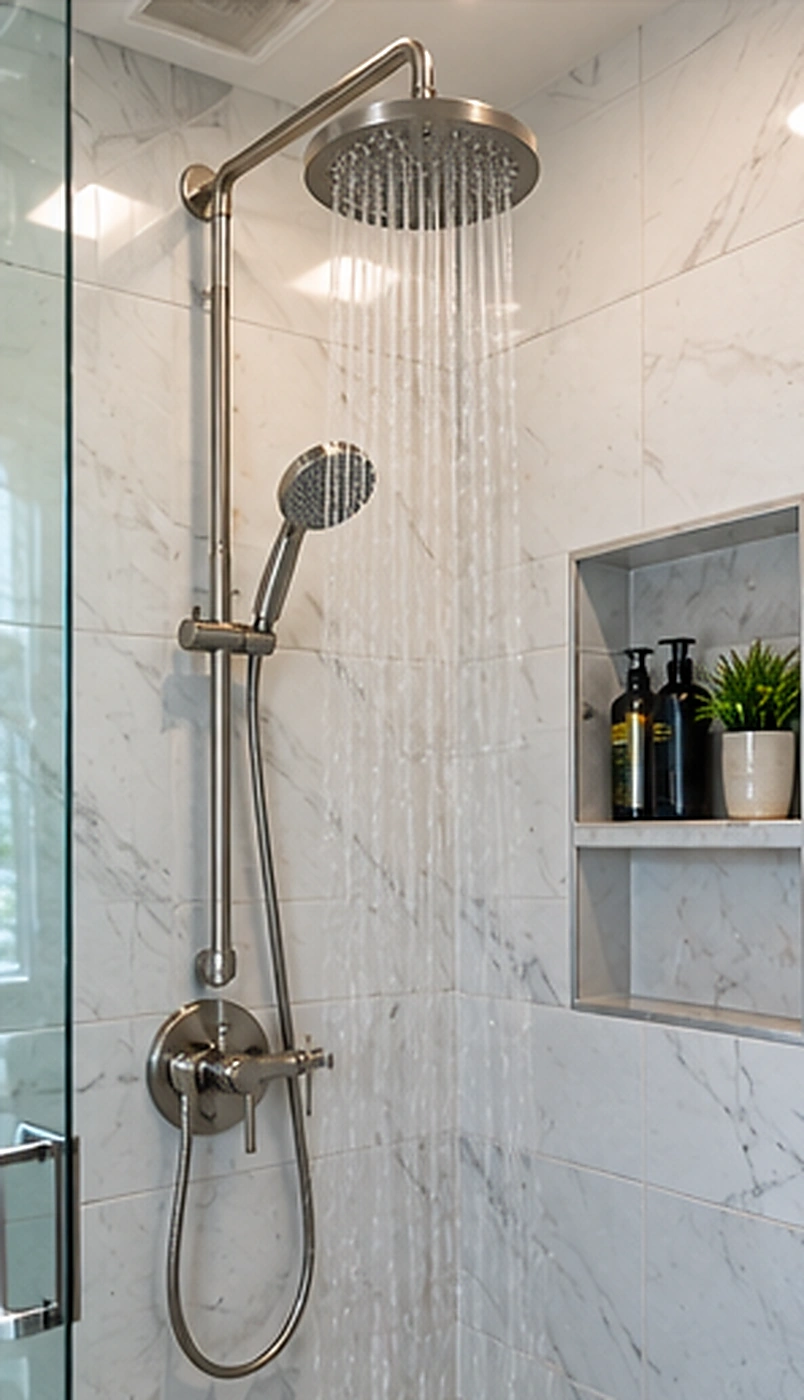
Sump Pump and Flood Prevention
A sump pump moves collected groundwater away from a basement. In Ridgewood, NJ, the right flood prevention plan starts with finding where water enters, checking the existing pump and drainage, and choosing equipment that fits the property.
Explore service →
Water Heater Services
No hot water, a leaking tank, or a heater that cannot keep up with daily use needs a clear diagnosis.
Explore service →Water Quality & Treatment Ridgewood NJ
When should you test or treat your water?
Testing is useful when you have a defined question, such as whether lead is present at a drinking tap, whether a PFAS result applies to your supply, or how hard the water is before buying a softener. Taste, odor, stains, and scale can prompt investigation, but appearance alone cannot identify a contaminant or prove water is unsafe. Choose the test before choosing equipment.
Reasons to investigate include:
A lead or unknown service line notice or an older home with plumbing materials you cannot identify.
Blue-green staining near a fixture, which can prompt a check of water chemistry and copper plumbing.
Scale on showerheads, faucets, or a water heater and a question about measured hardness.
A taste or odor change at one tap or across the house.
A household seeking a current lead or PFAS result for water used for drinking and cooking.
Start by asking whether the issue occurs at one fixture, only with hot water, or throughout the home. A single tap may have a fixture or local plumbing issue. A change at every outlet needs a different investigation. If you receive a utility notice, follow its specific instructions and contact Ridgewood Water for the most current system information. A water treatment salesperson’s general claim about the area cannot replace a household-specific result.
What does Ridgewood Water report, and what can a home test show?
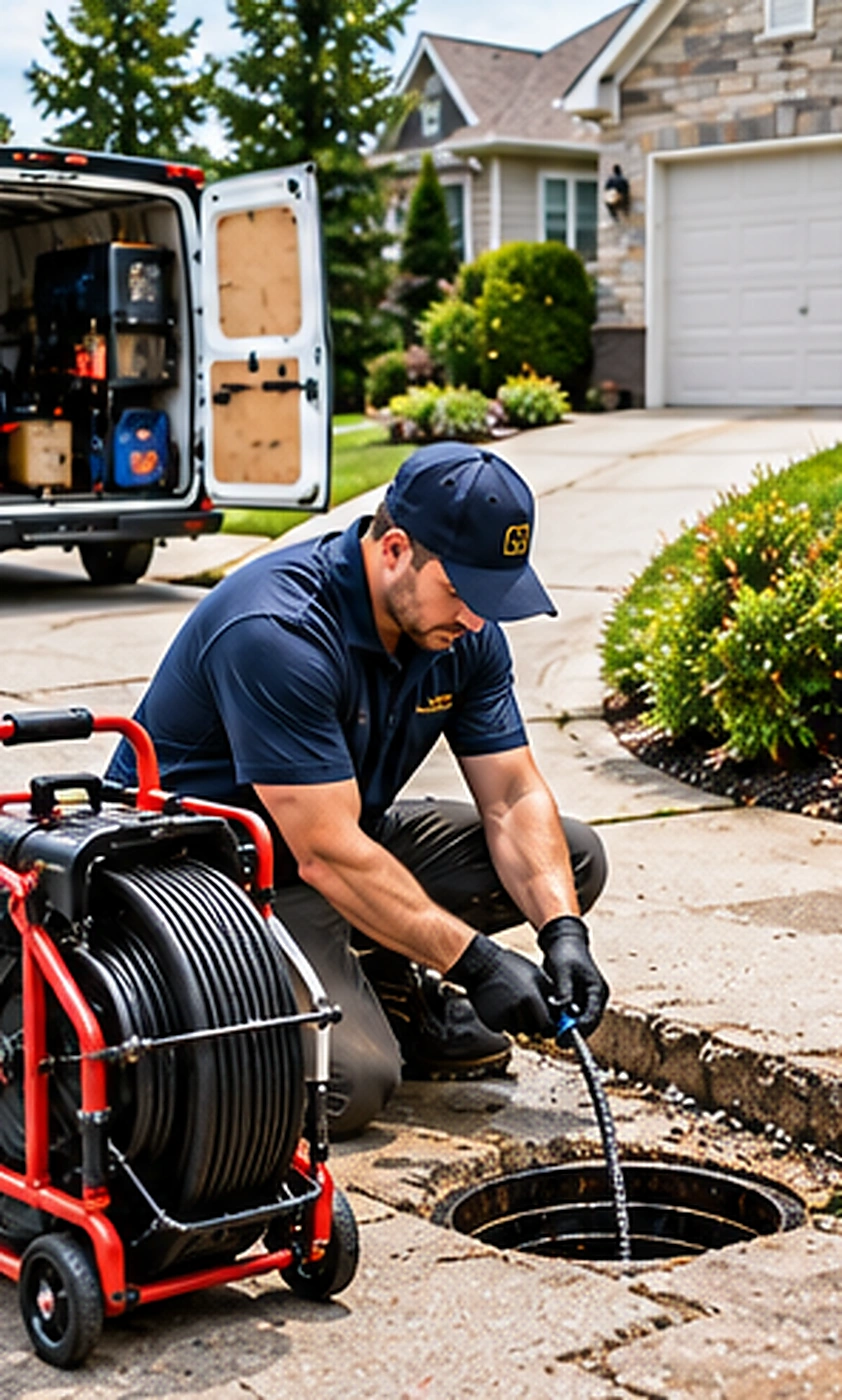
Ridgewood Water publishes annual water quality reports and separate PFAS information. These documents describe the public system and its treatment, but water can also interact with the service line, interior pipes, and fixtures after it leaves the utility. A household lead sample answers a different question from a system-wide report. The sample location, timing, and method matter when interpreting it.
Ridgewood Water has documented PFAS issues and treatment projects, so the current utility report and any notice should be reviewed before recommending a filter. The source and concentration of a contaminant can change as treatment progresses. It would be misleading to describe every Ridgewood tap with one fixed PFAS number. Use the current Ridgewood Water reports at https://water.ridgewoodnj.net/waterreport/ and its PFAS resources at https://water.ridgewoodnj.net/pfas-resources/.
An older property near the Village center may have pipes replaced at different times; a newer home may still have a service line status worth checking. Construction date alone does not establish which material reaches the tap. A certified laboratory analysis can measure contaminants in a particular sample, while visible pipe inspection and utility records help identify material. A test result cannot by itself map all hidden pipes or guarantee that future samples will be identical.
For lead concerns, follow guidance from the New Jersey Department of Environmental Protection and the water utility. A household should not assume that boiling removes lead or PFAS. If testing shows a concern, ask about interim exposure reduction while the source is investigated. The treatment decision should be tied to the contaminant, the measured result, and the product’s independent certification.
Does your home need a softener, filter, or both?
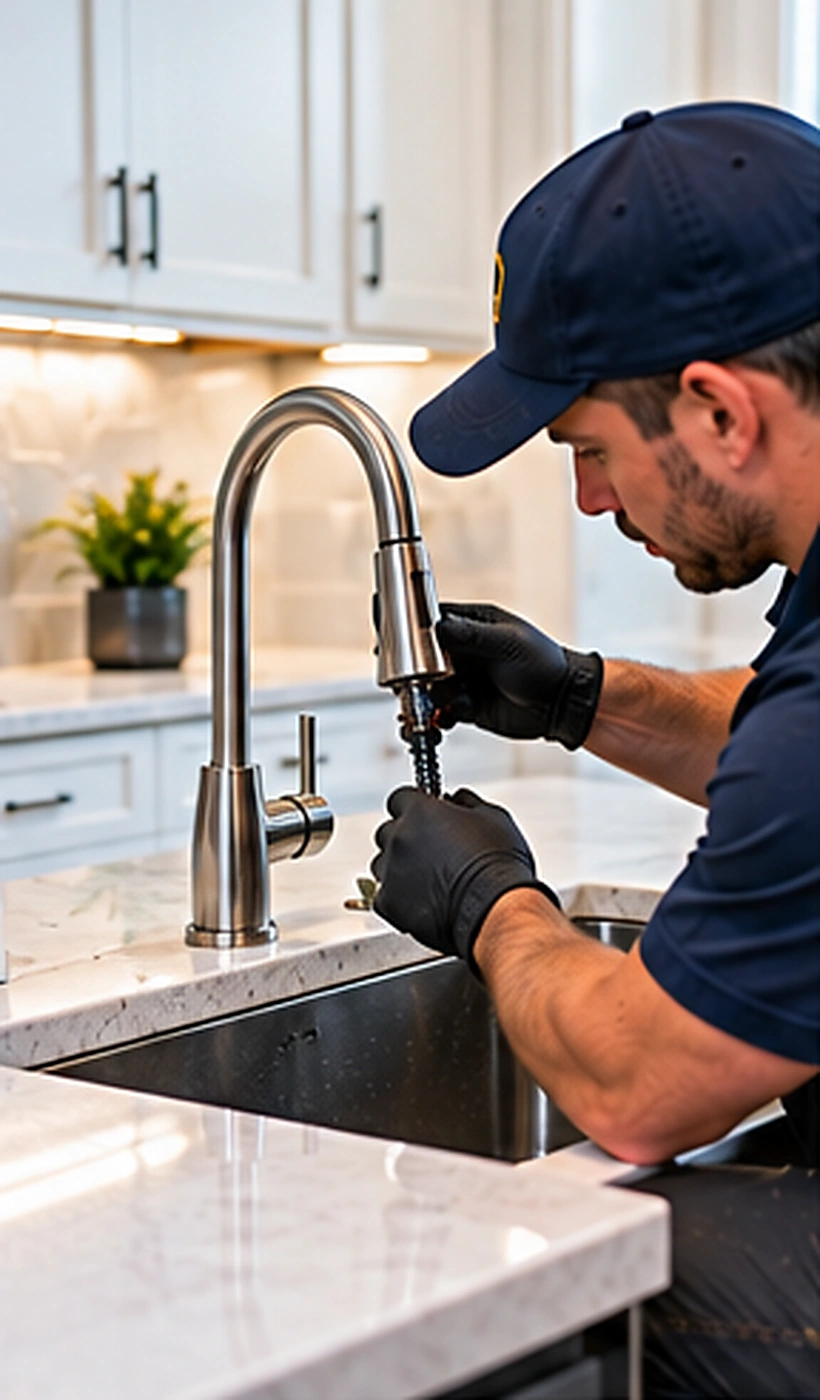
A softener addresses hardness minerals, chiefly calcium and magnesium. It is selected using a measured hardness level, household water demand, available space, and maintenance preferences. It does not replace a filter selected for lead or PFAS. If scale is not a significant problem, a softener may add cost and maintenance without solving the reason you started looking at water treatment.
A point-of-use filter treats water at one tap, often the kitchen sink used for drinking and cooking. A whole house system sits on the incoming line and treats water supplied to multiple fixtures. Reverse osmosis is one point-of-use option, but it has its own space, drain, and maintenance needs. No single filter cartridge removes every possible substance. Check a product’s certification for the specific contaminant you want to reduce and follow its replacement schedule.
A whole house filter can make sense when the concern affects water use throughout the home, but it needs enough flow capacity and a suitable installation point. A smaller under-sink system may be more appropriate when the aim is drinking water at one faucet. If the issue is lead coming from a service line or plumbing, filtration may reduce exposure while replacement of the source is addressed; it does not turn a lead service line into a safe material.
Iron, manganese, staining, sediment, and odor may require different tests and media. Choosing a large system before knowing which parameter is out of range can create unnecessary expense or fail to address the actual complaint. Begin with the problem and the evidence, then compare the smallest effective scope.
How are water testing and treatment planned?
The process begins with the concern and the home’s supply route. Review the current utility information, service line records when available, and symptoms at each fixture. Select a relevant test from a properly qualified laboratory or sampling provider. Interpret the result with attention to the sampled tap, collection procedure, and units rather than treating one number as a complete description of the home.
Next, compare remedies. A fixture or service line issue may call for plumbing work. A hardness concern may call for a softener. A drinking-water contaminant may call for a product certified for that substance at the point of use. The proposed equipment should be sized for the needed flow, installed with suitable shutoffs and service access, and tested for leaks and normal operation.
Before installation, the scope should explain where the system will sit, the affected taps, its capacity, cartridge or media schedule, ongoing costs, and any drain or electrical connection required. Afterward, the homeowner should receive the model information, maintenance steps, and a plan for follow-up testing if relevant. A filter only performs as intended when it is installed, used, and maintained to its specifications.
How much does testing and treatment cost in Ridgewood?
Testing costs change with the laboratory, number of samples, and contaminants requested. A lead test at one tap is not the same scope as a PFAS panel or a broad water chemistry analysis. For equipment, a basic point-of-use filter can cost much less than a whole house installation; water softener projects can run from hundreds to several thousand dollars depending on system type, capacity, and plumbing work. These are general planning bands, not Ridgewood quotes.
Request separate prices for sampling and analysis, the proposed unit, plumbing installation, permit work if applicable, cartridges or salt, and follow-up service. Compare total ownership cost and certification for the identified contaminant, not only the purchase price. A system that is too small for the home’s flow or lacks appropriate certification is poor value even if its initial price is low.
What should a useful recommendation include?
A useful recommendation states the problem, the evidence, and what the proposed equipment will and will not treat. Ask for the full test report and a plain-language explanation of results. Check who collected the sample and whether the laboratory is certified for the requested analysis. For a filter, note the exact model and its independent certification for the target contaminant, along with the flow rate and replacement interval.
Installation quality also matters. A treatment device should be accessible for servicing, have sound shutoffs and connections, and fit the available space. Ask whether any existing plumbing problem must be fixed first. If the utility has issued a lead service line notice, clarify how the treatment plan works alongside the utility’s replacement process. Keep the report and equipment records so future results can be compared with the original concern.
Related water quality services
Lead & PFAS Water Testing Ridgewood: Lead & PFAS Water Testing Ridgewood
Water Softener Installation Ridgewood: Water Softener Installation Ridgewood
Whole House Water Filtration Ridgewood: Whole House Water Filtration Ridgewood
Areas served near Ridgewood
This page addresses Ridgewood homes near the Village center, Upper Ridgewood, Graydon Pool, and other local neighborhoods. The site also covers Glen Rock, Ho-Ho-Kus, Fair Lawn, Wyckoff, Waldwick, Paramus, and Midland Park. Find the local pages at Areas We Serve Near Ridgewood: service areas, or visit the Plumber in Ridgewood, NJ homepage for other plumbing needs.
Questions before we arrive
Frequently asked questions
Should I test my water if I live in an older Ridgewood home?
Yes, especially if your home was built before 1980; corrosive water picking up lead or copper from aging pipe is a documented concern in this type of housing stock.
How much does water testing cost in Ridgewood?
Cost depends on which contaminants are tested; we can walk you through the options and recommend a package based on your home's age and plumbing materials.
Does Ridgewood have hard water?
Bergen County water is generally soft to moderately hard rather than heavily scale-forming, though a softener can still be worthwhile depending on your fixtures and preferences.
What is PFAS and should I be concerned about it in Ridgewood?
PFAS are persistent chemical compounds documented in the regional watershed; testing is the only way to know your home's actual levels, and filtration can address it if levels warrant.
Can you install filtration without a whole system replacement?
Yes, options range from point-of-use filters under a single sink to whole-house systems treating every tap, and we size the recommendation to what testing actually finds.
Do you handle both testing and the filtration installation?
Yes, we test, explain the results in plain language, and install whatever filtration or softening solution fits what we find.
Discuss water testing and treatment in Ridgewood
Share a recent utility notice or test report, describe the fixture or water change that concerns you, and identify whether the household uses public water or a private well. Ask for a testing plan and a written treatment scope tied to the result. Book a water quality discussion by calling (201) 277-0778 so the recommendation addresses the water and plumbing in your home.
Locations
Service areas near Ridgewood
Browse locations served in and around Ridgewood.
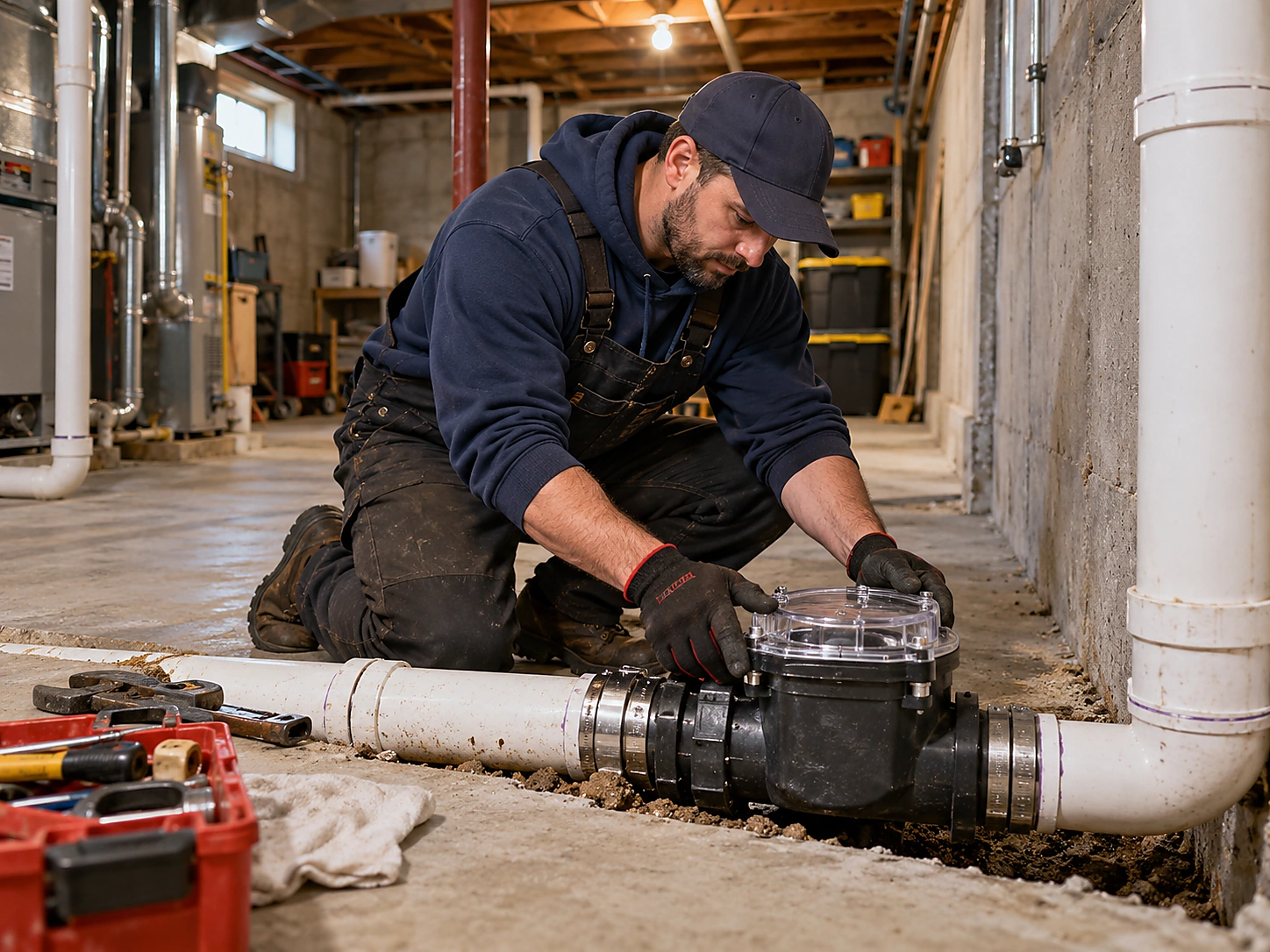
Plumber in Downtown / Village Center, Ridgewood, NJ
Need a plumber in Downtown Ridgewood, NJ? Plumbing problems in the Village Center can affect a storefront, an upstairs apartment, or several occupants at once.
Explore location →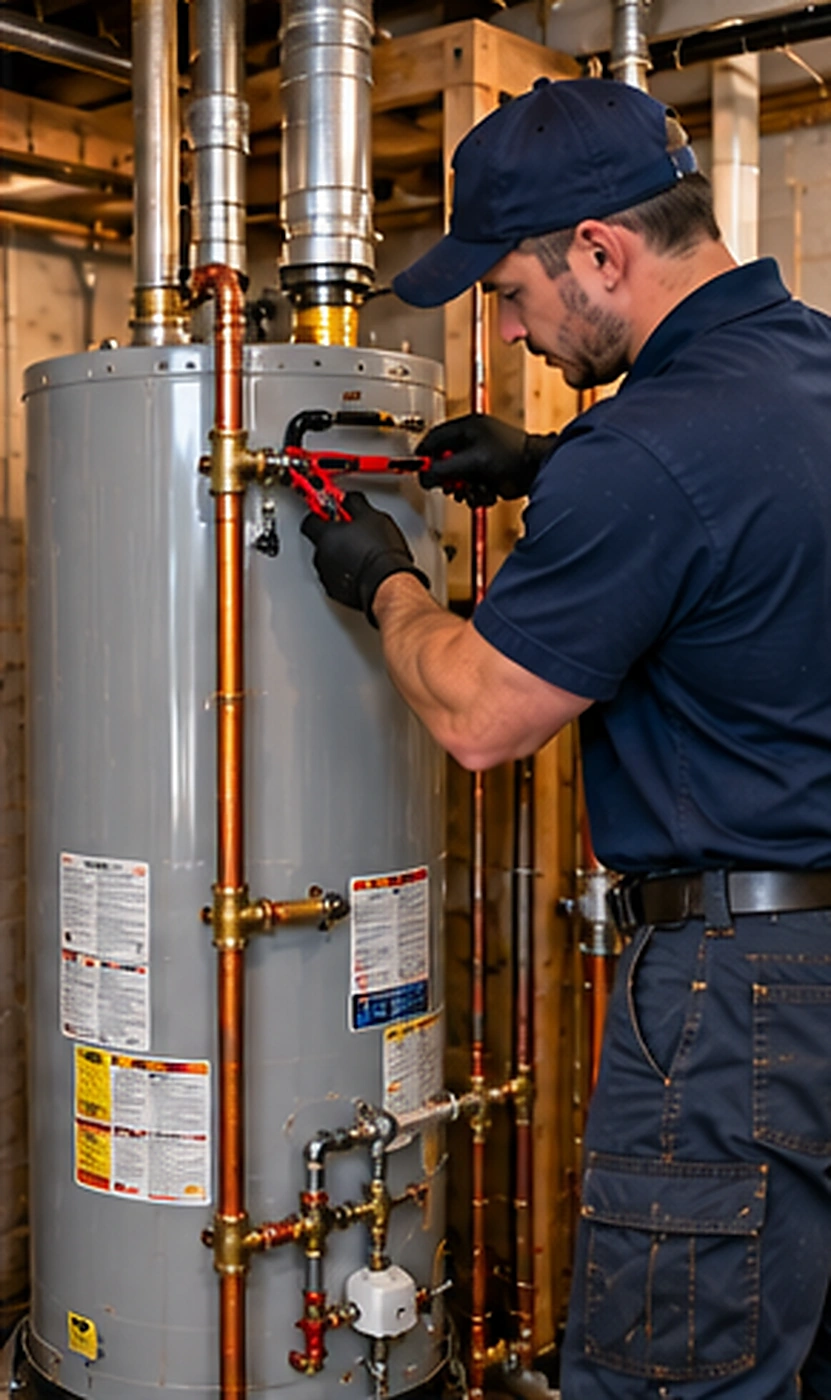
Plumber in Fair Lawn, NJ
Need a plumber in Fair Lawn, NJ? The right repair depends on the fixture, pipe material, and how many parts of the home are affected. We diagnose the problem first, then explain the work and price before proceeding.
Explore location →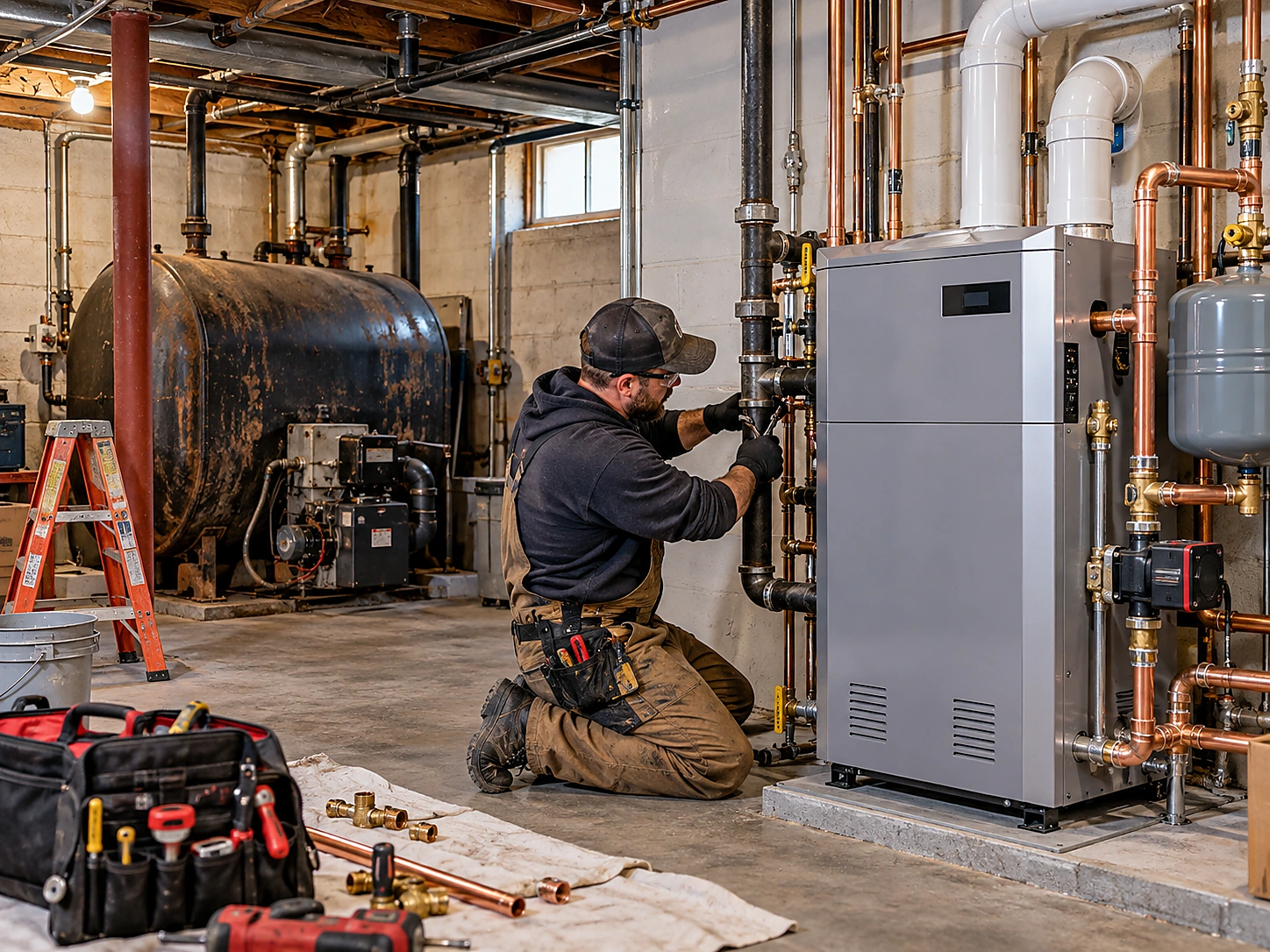
Plumber in Floral Park, Ridgewood, NJ
Need a plumber in Floral Park, Ridgewood, NJ? Recurring drain trouble deserves more than another quick clearing. We locate the problem, explain the condition of the line, and outline a repair that fits the property and its landscaping.
Explore location →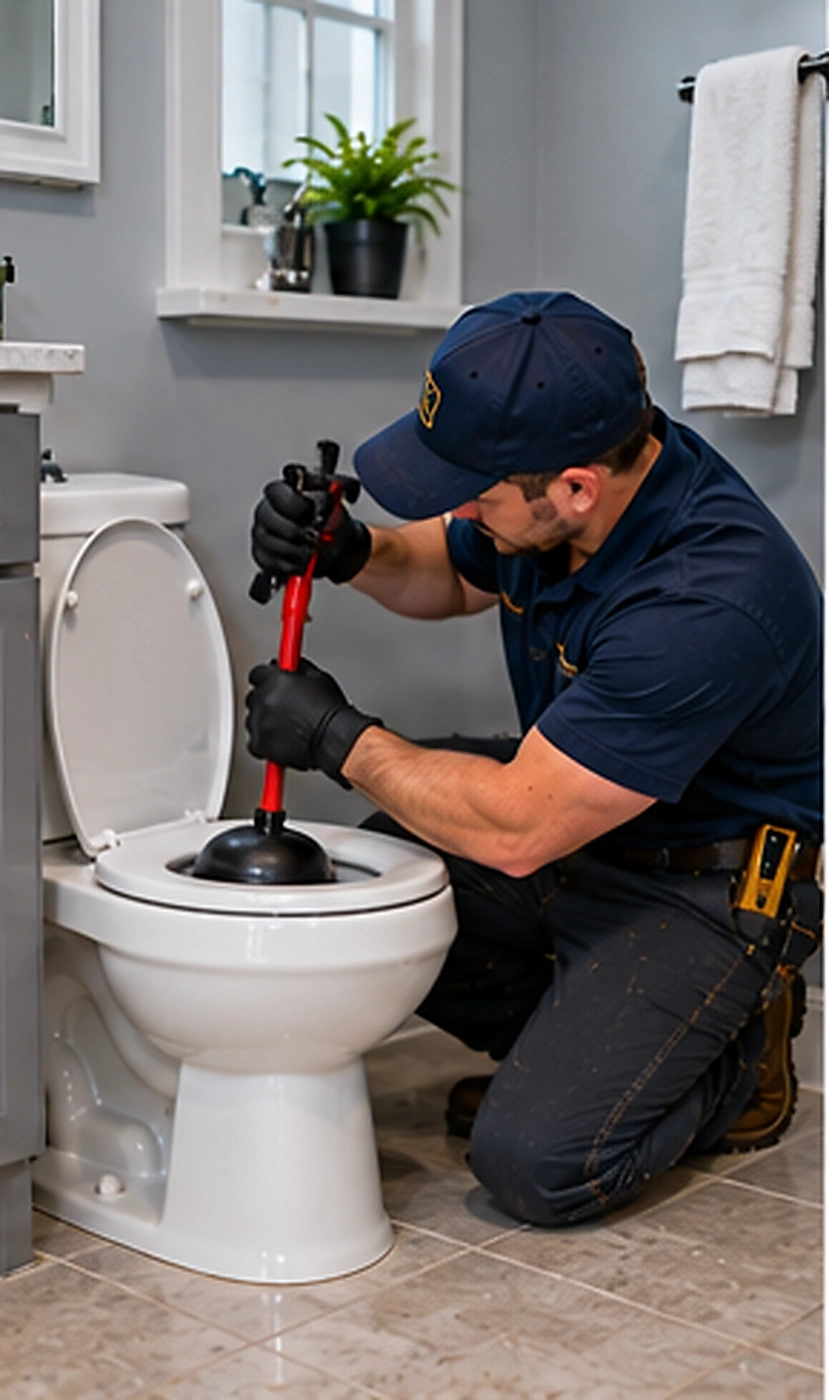
Plumber in Glen Rock, NJ
Need a plumber in Glen Rock, NJ? Older supply lines, repeat sewer clogs, and everyday fixture failures need different repairs. We diagnose the affected system, explain the options, and give a clear scope before work begins.
Explore location →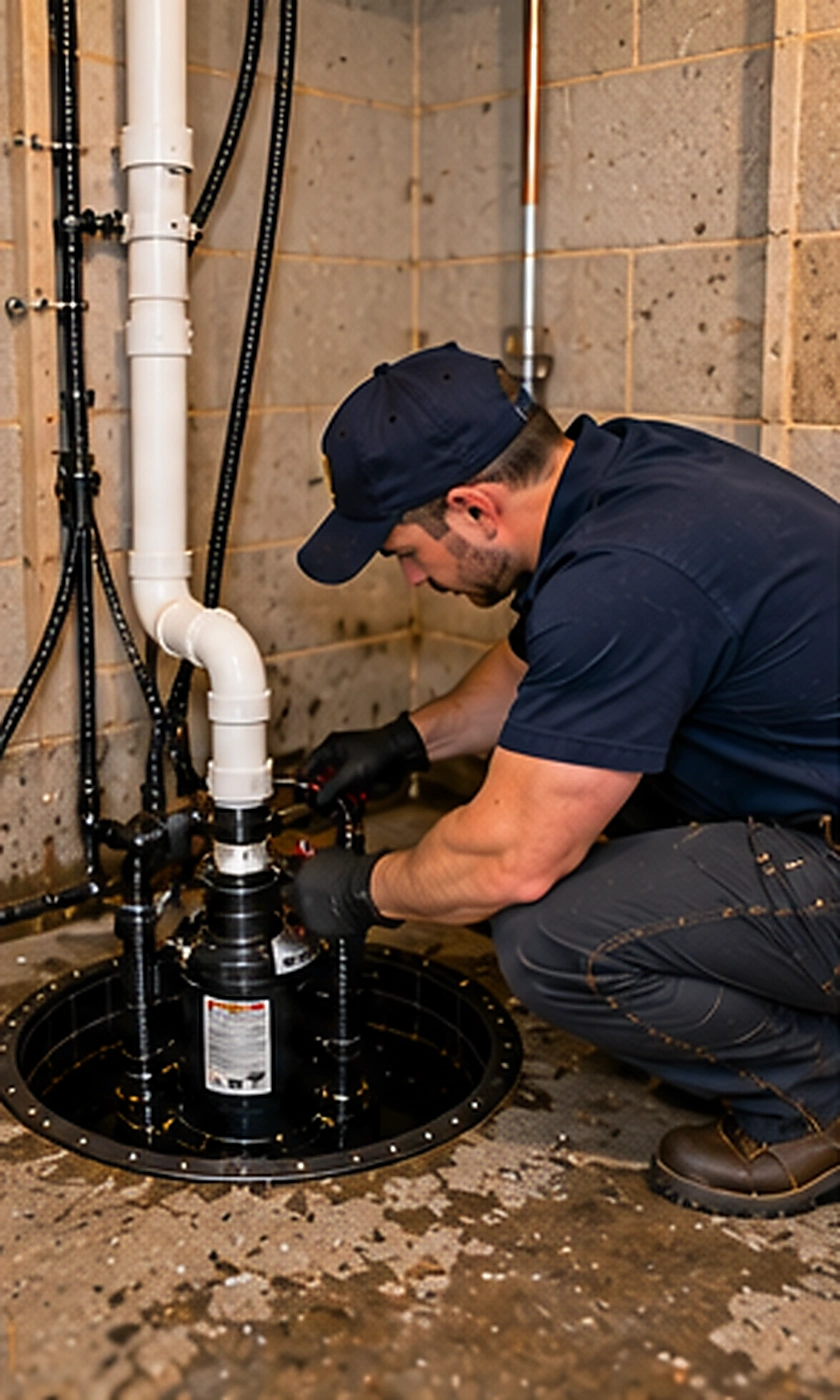
Plumber in Ho-Ho-Kus, NJ
Need a plumber in Ho-Ho-Kus, NJ? A wet basement, aging pipe, and failing sump pump each call for a different diagnosis. We identify the source, explain the practical repair options, and scope the work for the home.
Explore location →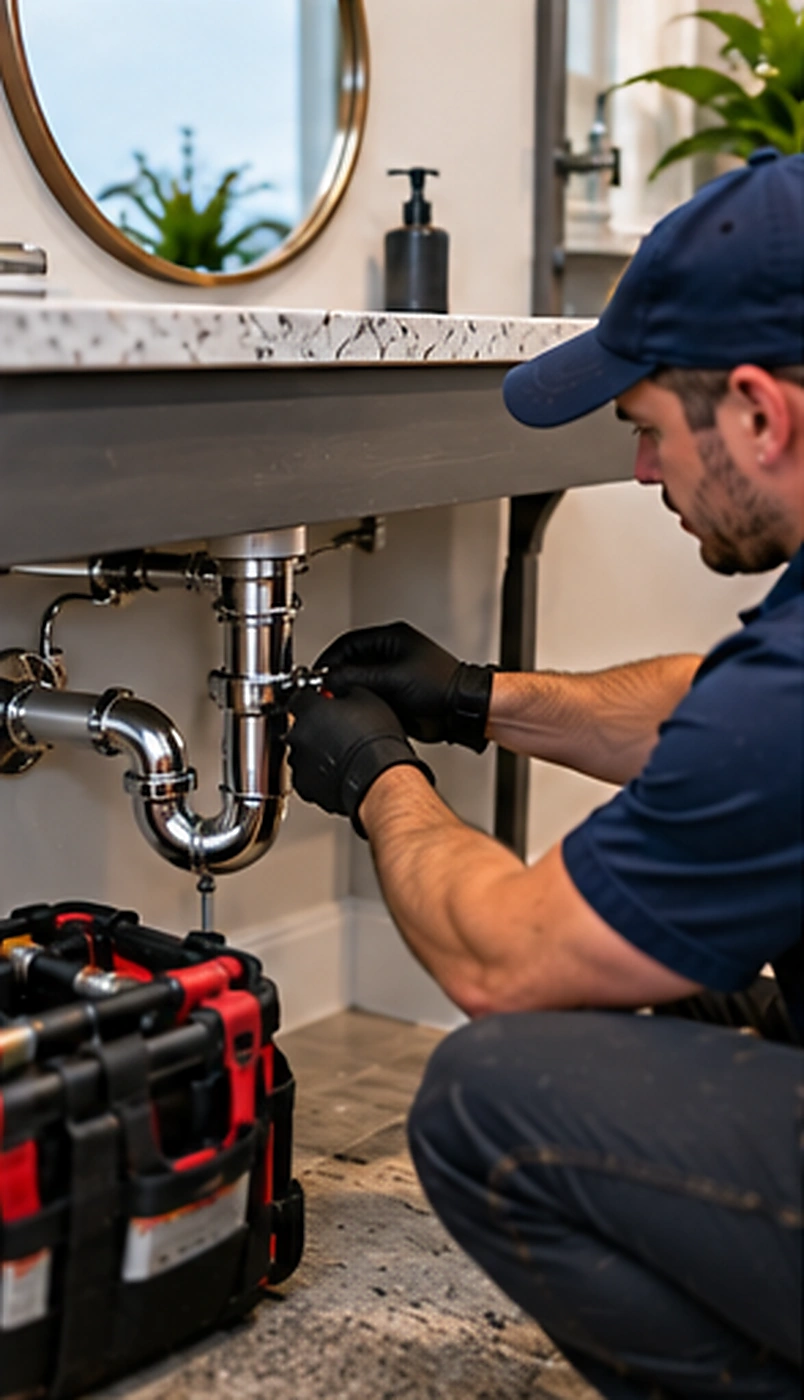
Plumber in Midland Park, NJ
Need a plumber in Midland Park, NJ? A recurring sewer backup and an aging supply line should be investigated separately. We locate the cause, explain what can be repaired, and give a clear scope for the work.
Explore location →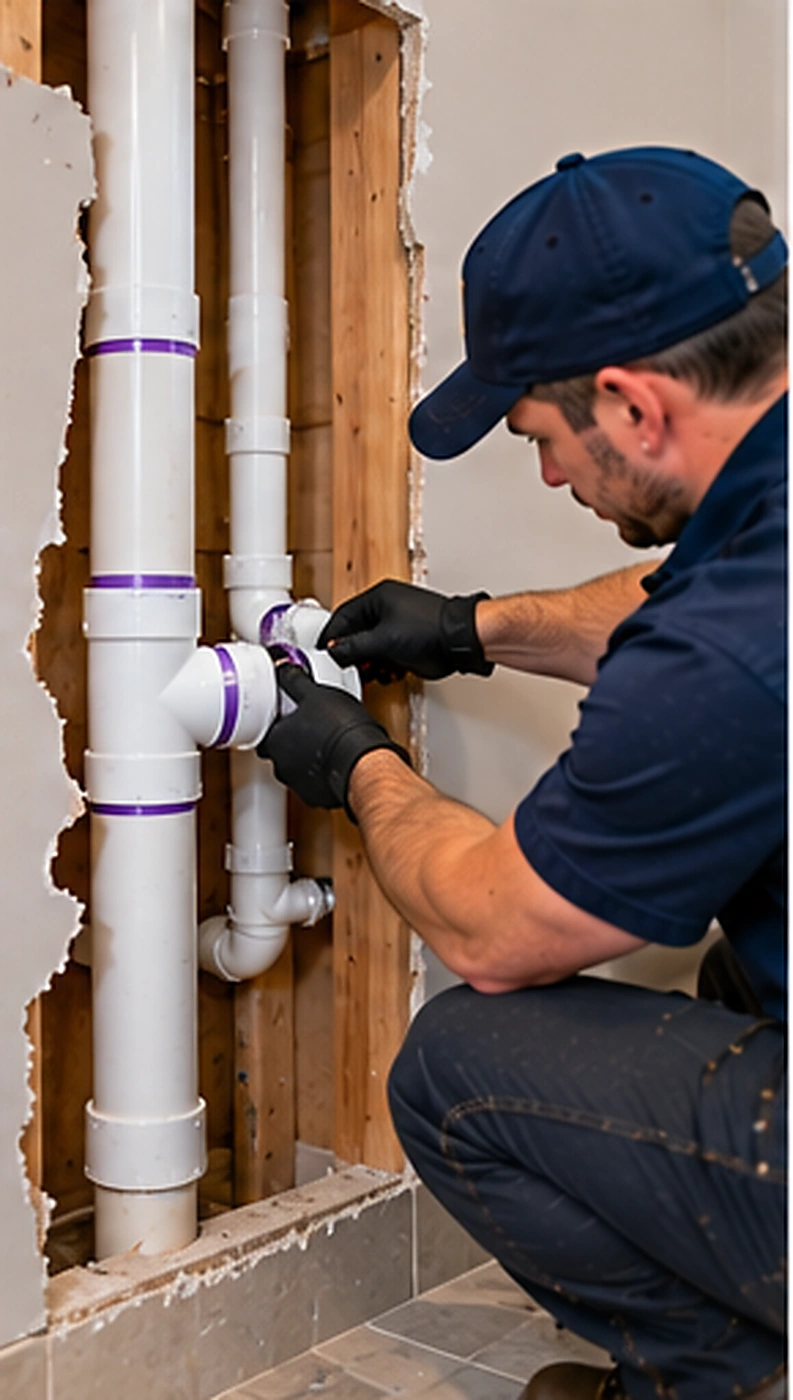
Plumber in Paramus, NJ
Need a plumber in Paramus, NJ? A leaking home fixture and a blocked retail restroom have different access and scheduling needs. We diagnose the affected system, explain the repair, and coordinate the work around the property.
Explore location →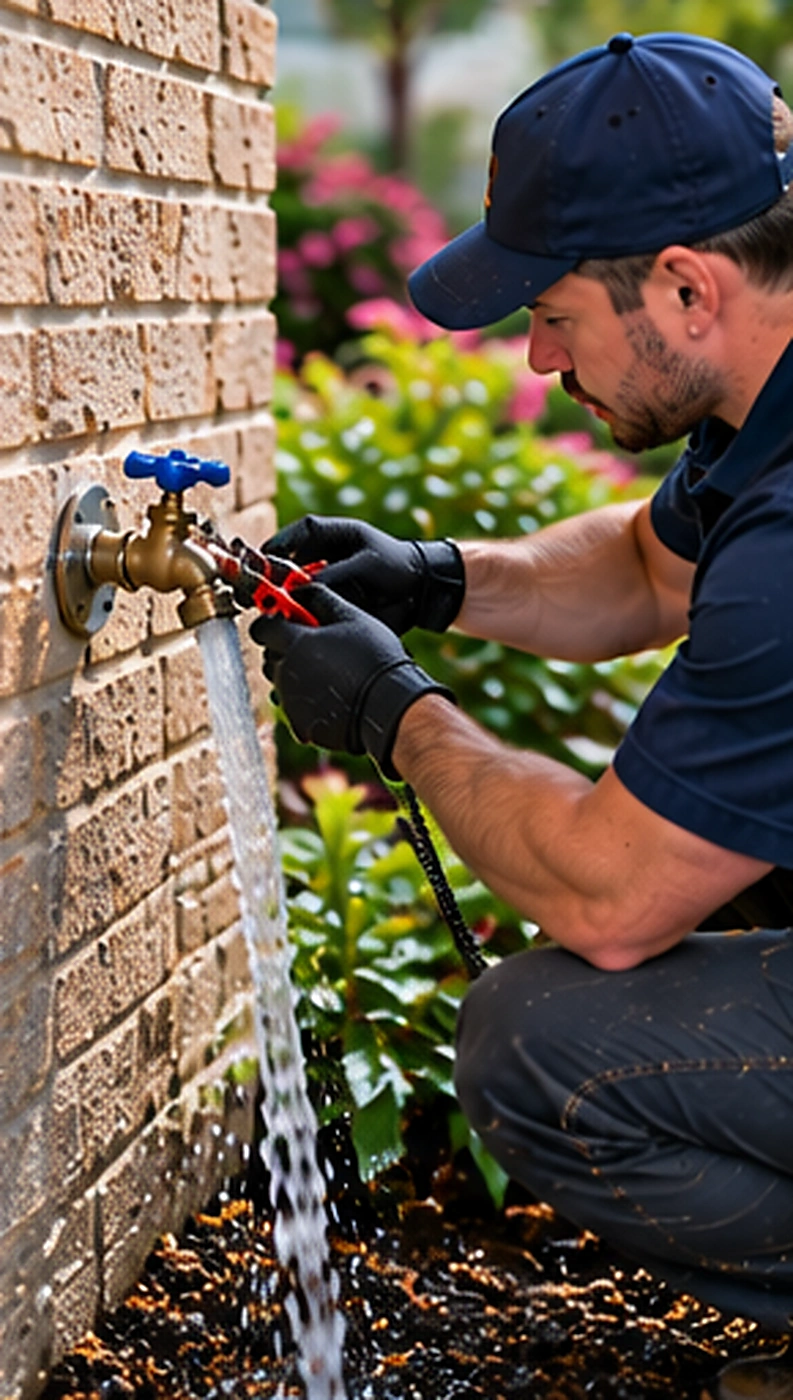
Plumber in Salem Ridge, Ridgewood, NJ
Need a plumber in Salem Ridge, Ridgewood, NJ? Homes here can have different pipe materials and equipment even on the same block. We identify what is installed, diagnose the fault, and explain a repair suited to that home.
Explore location →
Plumber in Scrabbletown, Ridgewood, NJ
Need a plumber in Scrabbletown, Ridgewood, NJ? Basement water and sewer backups require different fixes. We identify the source, check the relevant pump or drain, and explain how to reduce the chance of another incident.
Explore location →Plan the next step
Need help with Water Quality & Treatment?
Call Ridgewood Plumbing Experts to discuss the issue, the property, and the next practical step.